Now Reading: What To Do After A Medical Error In Georgia
-
01
What To Do After A Medical Error In Georgia


Key Takeaways
- Seek immediate medical care to address complications and ensure proper documentation.
- Document everything related to the suspected medical error for use in any legal action.
- Consulting with an experienced attorney is crucial when dealing with complex medical malpractice claims.
- Georgia law sets strict time limits, so act quickly to preserve your rights.
Medical errors are distressing, often resulting in physical, emotional, and financial challenges for patients and their families. In Georgia, understanding the necessary steps after a medical error can make a significant difference in safeguarding your rights and beginning the recovery process. Acting strategically and promptly ensures your health is prioritized and that your legal avenues remain open. For more information about legal guidance relating to medical errors in Georgia, visit cfcklaw.com.
When facing a medical error, such as misdiagnosis or surgical mistakes, it’s vital to act proactively by gathering evidence and seeking medical and legal support. Understanding legal options prepares patients to make informed decisions. This article highlights essential steps to take after a medical error in Georgia, emphasizing the importance of prompt action to secure compensation and hold at-fault parties accountable while safeguarding legal rights.
Seek Immediate Medical Attention
Your first priority after suspecting a medical error must be your health. Even if you are unsure of the severity, seek care from an independent medical professional as soon as possible. Additional evaluations and tests can help address any complications quickly, reduce the risk of further harm, and result in a clear medical record that helps prove the impact of the error.
Collect Detailed Documentation
Thorough documentation is essential in medical error cases. Retain all medical records, prescription bottles, discharge papers, and written communications with your healthcare team. Maintaining a journal of your symptoms, any changes in your condition, and conversations with healthcare providers can serve as valuable evidence. This documentation not only validates your claims but also supports your case during negotiations or litigation.
Report the Error to Authorities
If you believe the medical error resulted from negligent or reckless actions, report the incident to the relevant regulatory bodies. In Georgia, the Georgia Composite Medical Board accepts complaints against physicians and healthcare providers. Reporting also highlights systemic issues and can help protect future patients. Details on how to report can be found in resources such as the Georgia Composite Medical Board.
Understand Your Legal Rights in Georgia
Georgia law provides important rights to victims of medical negligence, including the ability to recover for medical costs, lost income, pain and suffering, and, in severe cases, punitive damages. However, there are procedural requirements for filing medical malpractice claims in this state. For example, Georgia law requires the inclusion of an affidavit from a medical expert who can attest to the existence of malpractice as part of your initial court filing.
Consult with a Medical Malpractice Attorney
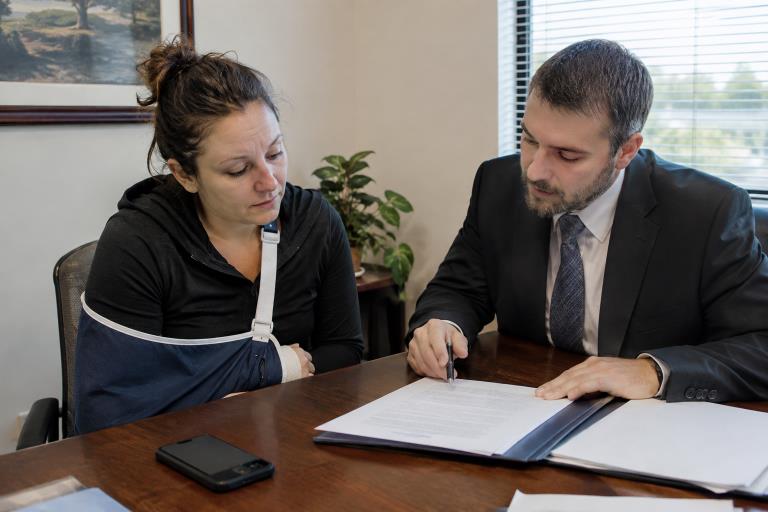
Navigating a medical error claim is complex and requires specialized legal knowledge. Consulting with a reputable medical malpractice attorney can help you evaluate your claim, gather necessary evidence, secure medical expert testimony, and negotiate with insurance companies on your behalf. An experienced attorney can increase your chances of a fair resolution and help you avoid inadvertent mistakes that could jeopardize your case.
Avoid Direct Communication with the Provider’s Insurer
It can be tempting to discuss your case with representatives from the healthcare provider’s insurance company, but doing so without legal counsel can harm your chances of fair compensation. Insurance adjusters may attempt to minimize your claim or obtain statements that can be used against you. Always direct communications to your attorney, and do not sign any documents or agree to settlements without legal review.
Be Mindful of Georgia’s Statute of Limitations
In Georgia, there is generally a two-year statute of limitations for filing a medical malpractice lawsuit, which starts from the date the injury occurred or was discovered. Exceptions exist for minors and cases involving fraud or concealment, but missing this deadline can result in lost compensation opportunities. Prompt action is therefore critical (Nolo).
Maintain Thorough Medical and Legal Records
Ongoing record-keeping is vital not only for your health but also for your legal claim. Organize all correspondence with medical professionals, official complaints, receipts, wage loss documentation, and a diary of ongoing symptoms or impacts on your daily life. Well-maintained records support your claim and can speed up the legal process.
Stay Up-to-Date on Georgia Medical Malpractice Laws
The legal landscape for medical malpractice in Georgia can be subject to change due to new legislation and court decisions. Staying informed about these changes, from limits on damages to expert affidavit requirements, helps you make wise choices during your case. Consulting with a knowledgeable attorney ensures that you remain compliant with the latest legal standards and do not miss crucial updates that might affect your ability to recover compensation.
Taking decisive action after a medical error in Georgia protects your health and legal interests. By promptly seeking medical care, meticulously documenting your experience, reporting errors to authorities, and working with an experienced lawyer, you can pursue justice and accountability. Understanding your legal rights and adhering to state-specific rules, including time limits, will give you the best chance to recover the compensation and closure you deserve.