Now Reading: What to Do If a Police Report Gets the Facts Wrong
-
01
What to Do If a Police Report Gets the Facts Wrong

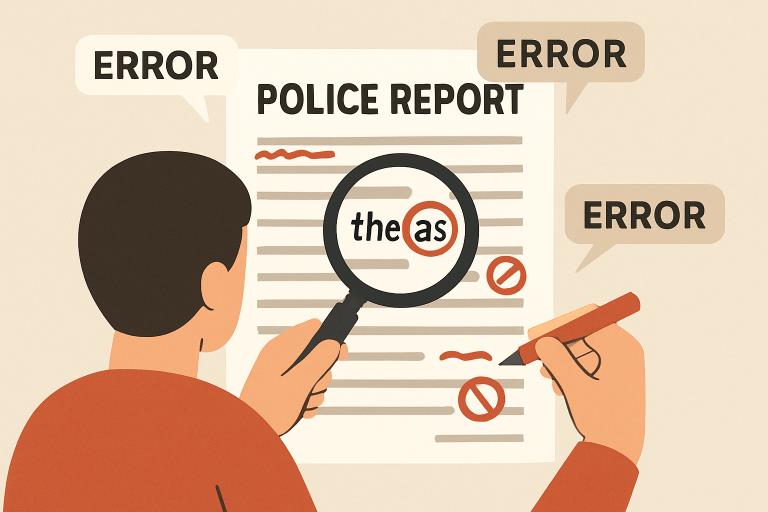
If you discover errors in a police report, especially one related to a car accident, you may worry about how these mistakes could affect your insurance claim or any legal action. Taking the proper steps to address inaccuracies matters because even minor errors can impact the outcome of your case. If you are dealing with such a situation, you may want to consult with experienced Atlanta car accident lawyers who can help you understand your rights and how to pursue corrections to a police report.
Police reports play a critical role as official records of events. Insurers, courts, and attorneys can use them to determine responsibility and support claims. A typo, factual mistake, or misinterpretation of events could alter how your case is perceived. For these reasons, it is essential to correct any inaccuracies you find.
Before you begin the process, gather all details related to the incident and make sure you understand the report thoroughly. Early action not only increases your chances of a successful amendment but also helps you present a clear, organized case when dealing with law enforcement or other parties.
For further reading on how police reports can affect your personal injury claim, the Nolo guide to police reports and personal injury claims offers helpful context on why accuracy is critical.
Obtain a Copy of the Police Report
Your first step should be to secure an official copy of the report from the law enforcement agency involved. You may be able to do this online, in person, or via mail, depending on the agency’s processes. Having the exact report in hand allows you to pinpoint where the errors lie and what corrections are needed.
Review the Report Thoroughly
Read through the entire report with care. Look for inaccuracies in personal information, vehicle descriptions, accounts of the incident, or the summary of statements given to officers. Write down every error you find, including page and line references if possible, to keep your documentation clear and convincing.
Gather Supporting Evidence
To correct police reports, you need proof. Prepare supporting evidence such as:
- Photos and videos from the accident scene
- Witness statements that differ from what is in the report
- Medical records or repair estimates
- Insurance data and vehicle registration papers
Strong, objective evidence can help demonstrate why the report is inaccurate and why your version of the facts is correct.
Contact the Reporting Officer
Identify the officer who wrote the report, which should be listed on the document itself. Politely reach out by phone, email, or in person if possible. Express your concerns and present your evidence. If the error is simple, such as a misspelled name or an incorrect date, the officer may agree to correct it. For more significant discrepancies, they may require additional documentation or review.
Submit a Formal Amendment Request
If the officer is unable or unwilling to help, you can file a formal amendment request with the police department’s records division. Be sure to include:
- Your name and contact information
- The police report number and the date of the incident
- A list of the specific errors and their locations in the report
- Corrected versions of each error, with supporting evidence
Keep detailed copies of all written correspondence, as you may need these records later for insurance or court proceedings.
Add a Personal Statement to the Report
If your amendment request is denied or the department refuses to make changes, ask if you can add a supplemental statement or letter to the police report file. This document should clearly present your account of what happened as well as why you believe the report is incorrect. Insurers and courts that review the report will then have your perspective included in the official record.
Notify Your Insurance Company
Let your insurance provider know right away if a police report about your claim contains errors. Forward them the evidence and correspondence you have collected, and explain what steps you are taking. Insurers are accustomed to these scenarios and will appreciate being informed. This can make it easier to resolve claims and avoid unnecessary disputes.
Consult a Legal Professional
Some police report mistakes can carry serious legal or financial consequences. If you are struggling to have a report changed or if you believe the inaccuracies could harm your case, speak with an attorney. Legal professionals can advocate for you, interact with law enforcement, and help present your case. If you have questions about how to amend factual errors, the FindLaw guide to amending police report errors offers helpful tips.
Conclusion
Addressing mistakes in a police report as soon as you notice them can protect your interests both in insurance claims and in legal matters. By following these steps and making sure your documentation is thorough, you’ll improve your chances of having the record corrected. Consulting with Atlanta car accident lawyers may also provide you with additional support and insight throughout the process.