Now Reading: Essential Tips to Maintain and Extend the Life of Your Tools
-
01
Essential Tips to Maintain and Extend the Life of Your Tools
Essential Tips to Maintain and Extend the Life of Your Tools

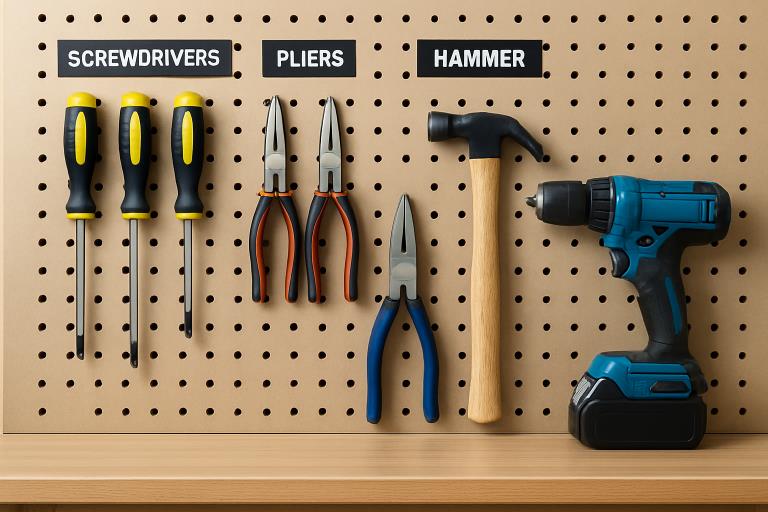
Maintaining your tools is fundamental to both their performance and longevity. Without proper care, even the highest-quality equipment can degrade quickly, leading to costly replacements and frustrating project delays. Whether you’re a professional contractor or a weekend DIY enthusiast, a regular maintenance routine guarantees your tools stay reliable and effective. For those sourcing quality materials and advice, building supplies Ottawa experts can provide both the products and guidance needed to support long-term tool upkeep.
Simple habits such as cleaning after each use, storing equipment correctly, and performing routine inspections can dramatically extend the usability of both hand and power tools. Efficient tool management not only saves money but also helps you work safely and efficiently—no matter the size of your projects.
Incorporating these best practices also supports sustainable habits by reducing waste and the frequency of replacements, which is especially important as consumers become more environmentally conscious. A well-maintained tool collection is also easier to work with and can enhance the safety of your workspace by minimizing the risk of accidents associated with malfunctioning equipment.
Regular Cleaning After Use
Every tool works best when kept clean and maintained. After each use, remove debris, dirt, and cutting residues that can attract moisture or encourage rust. For garden tools, a stiff brush makes quick work of caked mud, while a damp rag or compressed air can clear dust from power tools. Major outlets, such as Family Handyman, recommend promptly drying all tools after washing to prevent the onset of corrosion, especially on metal surfaces.
Proper Storage Solutions
Improper storage is one of the quickest ways for tools to become damaged or lost. Creating a designated storage system—whether a pegboard, drawer organizers, or wall racks—keeps your workspace tidy and minimizes unnecessary wear from being jostled or exposed to dampness. Ensure your storage area is located away from environmental extremes, such as excessive humidity or extreme cold, which can damage sensitive components.
Regular Lubrication of Moving Parts
Friction is the enemy of moving tool parts. Lubricate all pivots, hinges, and electrical contacts with appropriate lubricants (like light machine oil for hand tools and lithium grease for power tools). This not only eases the strain on the tools but also helps ensure smoother and safer operation. Make sure to remove any excess oil to avoid attracting dust and grime.
Sharpening Blades and Bits
Dull blades and drill bits make your work more difficult and strain the tool motors. Regular sharpening ensures cleaner cuts and safer results. Use a dedicated sharpening stone, a honing guide, or specialized files to maintain crisp edges. Not sure if your blades need sharpening? If they snag or splinter instead of cutting cleanly, it’s time.
Inspecting for Wear and Tear
Establish a habit of inspecting tools before and after each use. Look for signs of loose fasteners, cracked housings, frayed cords, or worn-out batteries. Addressing small issues—such as tightening screws or replacing a cracked handle—can prevent bigger problems, like sudden tool failure or safety hazards.
Proper Battery Maintenance
For cordless tools, battery care is essential. Avoid fully draining modern lithium-ion batteries, which last longer when recharged around 20-30% capacity. Store batteries in a cool, dry place and avoid leaving them plugged in for long periods to prevent overheating.
Allowing Tools to Cool Down
Overheating can dramatically shorten tool life. During heavy or continuous use, pause work to allow electric motors and batteries to cool. This habit helps you avoid burnt-out motors, warped components, and degraded batteries—common issues with power tools that have been pushed past their thermal limits.
Protecting Against Environmental Factors
Environmental exposure can be as damaging as poor maintenance. UV light can break down plastics and rubber grips, while moisture causes rust. Store tools indoors in a temperature-controlled environment whenever possible, and use covers or cases for added protection when equipment is stored for extended periods or transported to outdoor locations.