Now Reading: The Safety Benefits of Indoor Sports Netting
-
01
The Safety Benefits of Indoor Sports Netting

Enhancing Player and Spectator Safety
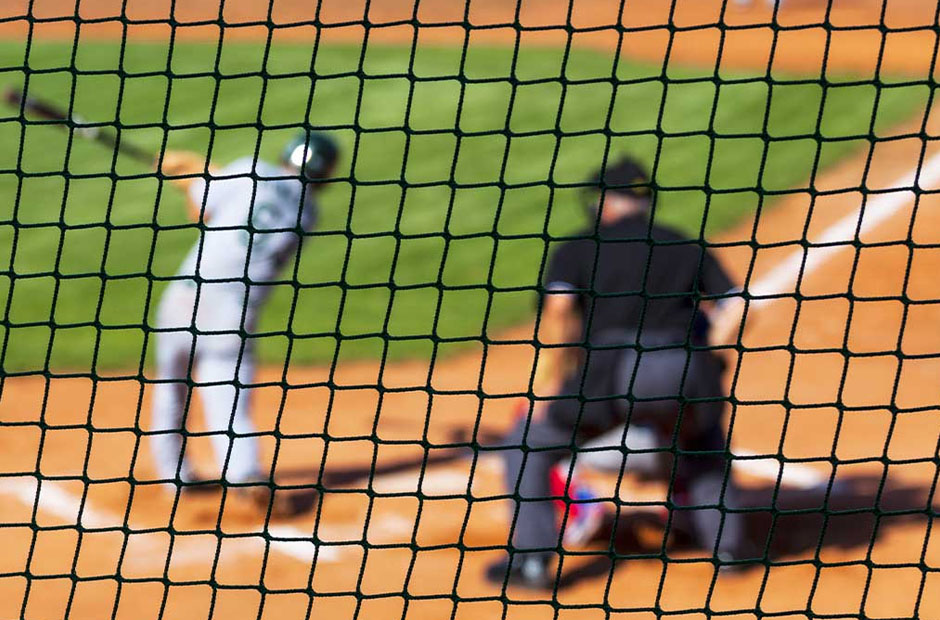
As participation in indoor sports continues to grow, the safety of both athletes and spectators remains a top priority for facility managers and event organizers. Installing indoor sports netting is an effective way to prevent accidents caused by stray balls or equipment leaving the designated play area. The netting serves as a barrier that significantly reduces the risk of injury, allowing everyone in the facility to enjoy the event with peace of mind. By containing potentially dangerous objects, these systems help to foster a safer environment for all.
Preventing injuries is particularly crucial in sports like baseball, soccer, and basketball, where balls can travel at high speeds and with unpredictable trajectories. With robust netting in place, young athletes and families seated close to the action are shielded from unexpected accidents, making venues more welcoming for fans of all ages.
Preventing Property Damage
Beyond personal safety, indoor sports netting plays a pivotal role in protecting facility infrastructure. Stray balls can crack windows, damage lighting systems, or mark up walls and floors. High-quality netting solutions prevent such property damage, preserving the aesthetics and function of recreational facilities. This preventive measure substantially reduces repair and maintenance expenses over time, ensuring resources are used to enhance the overall experience rather than to fix damage.
Maintaining Game Flow and Efficiency
Another important advantage of sports netting is its capacity to maintain the natural flow and rhythm of games and practices. Balls that escape the play area often cause interruptions and slow down game proceedings. Netting systems prevent unnecessary delays, enabling coaches and athletes to maximize their time on the court or field. Efficient training sessions and uninterrupted matches contribute to more productive and enjoyable sporting events.
For those looking to upgrade or install new netting systems, choosing a reputable sports netting manufacturer ensures that safety solutions are custom-fitted to each venue, further enhancing protection and efficiency over time.
Compliance with Safety Regulations
Many professional and amateur sports organizations require specific types and standards for protective netting. Compliance with these regulations not only prioritizes participant and spectator safety but also protects facility owners from potential legal issues. For example, Major League Baseball has recommended that all teams lengthen the safety netting at their ballparks to increase fan safety. Teams are encouraged to add netting, or some sort of protective barrier, to shield fans from balls and bats that sometimes go into the stands in all field-level seats between the near ends of both dugouts and within 70 feet of home plate. MLB recommends netting between dugouts. These standards help maintain a uniformly high level of safety and professionalism, while also reducing organizational liability.
Versatility Across Multiple Sports
Indoor sports netting is engineered to be highly adaptable, suiting the unique needs of various sports. Whether used for basketball, volleyball, indoor soccer, or racquet sports, netting systems can be customized for any environment. This versatility allows athletic centers and multi-use gyms to offer a wider range of programs and events without compromising on safety. As a result, sports netting supports the growing trend of multi-purpose venues that host several athletic activities throughout the year.
Durability and Longevity
The modern materials used in indoor netting are designed to withstand frequent impacts, fluctuating temperatures, and constant use. Advances in UV-resistant fibers and reinforced manufacturing techniques ensure that these safety installations remain effective year after year. While regular inspections and maintenance are recommended, most quality nets have a long service life, providing excellent return on investment. Facility managers can rest assured knowing that their commitment to safety will serve athletes and spectators for seasons to come.
Improved Training Environments
Indoor netting does more than just protect people and property. It helps to create a focused, controlled environment for athletes. With fewer distractions and reduced risk of injury, players can devote more energy to skill development and rigorous practice. The benefits of a safer, controlled practice area ripple outward, leading to stronger individual performance and more cohesive teams at all levels of play. According to Fortune Agromarine, such improvements in training environments often translate to better results during competitions.
Cost-Effective Safety Solution
Upfront investment in indoor sports netting is balanced by long-term savings on injury-related claims, maintenance, and facility repairs. By reducing the frequency and severity of accidents and damage, netting solutions pay for themselves over time. Facility owners enhance their safety reputation while also making their venues more attractive to event organizers, schools, and sports leagues seeking reliable, well-maintained sites for games and tournaments. As a result, the netting represents not only a proactive step towards risk management but also a strategic move to boost the facility’s overall value and appeal.
Final Thoughts
In summary, indoor sports netting delivers a variety of essential safety benefits, from protecting individuals and assets to fostering compliance and enhancing the sporting experience. Its adaptability, durability, and cost-effectiveness make it a core component of modern sports facility management, helping create a safer, more enjoyable athletic environment for everyone involved.