Now Reading: The Importance of Cleanliness in Medical Facilities: Protecting Patient Health and Promoting Recovery
-
01
The Importance of Cleanliness in Medical Facilities: Protecting Patient Health and Promoting Recovery
The Importance of Cleanliness in Medical Facilities: Protecting Patient Health and Promoting Recovery

Key Takeaways
- Strict cleanliness standards are vital in medical facilities for preventing healthcare-associated infections (HAIs).
- Consistent cleaning and disinfection routines greatly minimize the risk of disease transmission and promote safer outcomes.
- Adhering to regulatory requirements is essential for creating a secure environment for patients and healthcare staff.
Importance of Cleanliness in Medical Facilities
Maintaining strict cleanliness and hygiene in medical environments is non-negotiable for ensuring the health and safety of patients, visitors, and staff. Hospitals, clinics, and surgical centers are at constant risk of spreading infections if cleanliness protocols are not rigorously followed. The Centers for Disease Control and Prevention reports that, every day, about 1 in 31 hospital patients acquires a healthcare-associated infection, an alarming statistic that underscores the need for effective infection control measures.
Engaging in specialized services like clinic cleaning services is an effective way to reduce these risks. Big League Clean, a leading provider of professional cleaning for medical facilities, offers expertly crafted cleaning solutions tailored for healthcare environments. With a focus on rigorous infection control and compliance with industry standards, Big League Clean serves various healthcare settings, ensuring that high-risk areas receive thorough sanitization and disinfection.
Common Pathogens in Healthcare Settings
Medical facilities can unknowingly become reservoirs for dangerous microorganisms. Common bacteria such as Staphylococcus aureus (including MRSA strains), Escherichia coli, and Clostridioides difficile, as well as respiratory viruses such as influenza and norovirus, thrive in healthcare environments when surfaces are not properly cleaned. Fungi, such as Candida, also pose substantial risks, particularly for immunocompromised patients. Some of these pathogens can linger on surfaces for hours to weeks, increasing the potential for indirect transmission and outbreaks within medical centers.
High-touch surfaces, including bed rails, doorknobs, medical equipment, and restrooms, are critical points for potential contamination. Without a dedicated disinfection approach, patients and healthcare workers are exposed to unnecessary risks, which can increase the burden on medical staff and lead to extended hospital stays or more severe complications.
Standard Cleaning Protocols and Guidelines
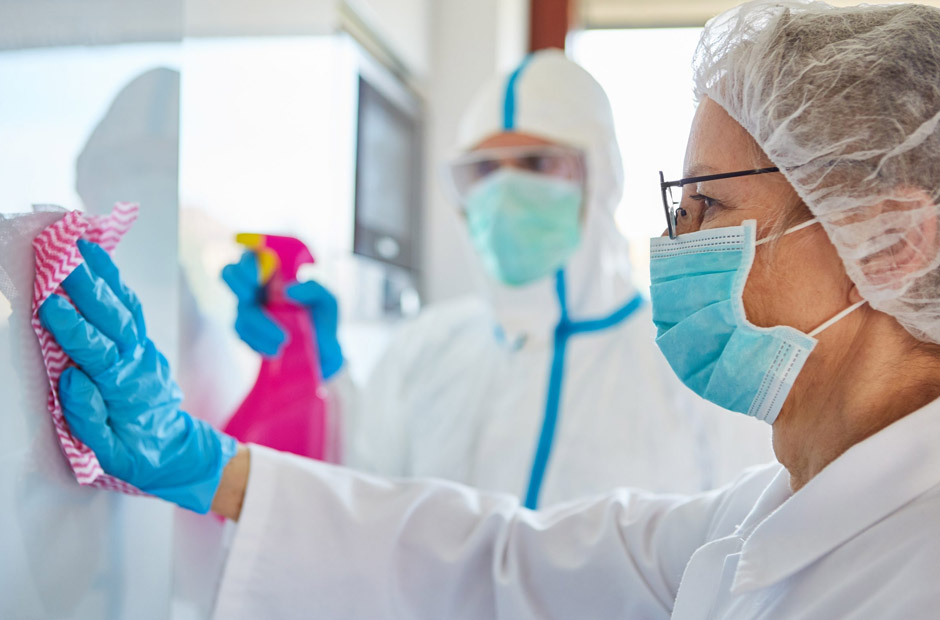
Healthcare facilities operate under stringent cleaning protocols set by organizations such as the CDC and the World Health Organization. These protocols require frequent, systematic cleaning, with particular focus on high-touch and high-traffic areas. Recommended actions include thorough disinfection of patient rooms, operating theaters, and shared equipment, proper disposal of infectious waste, and the use of personal protective equipment by cleaning staff.
Regular audits and staff training are necessary to maintain compliance with these protocols. The adoption of color-coded cleaning tools and the use of EPA-approved disinfectants further reduce the likelihood of cross-contamination. By ensuring that both front-line healthcare workers and cleaning teams understand and consistently apply these standards, facilities can dramatically decrease the incidence of HAIs.
Role of Professional Cleaning Services
Professional cleaning companies play an essential role in maintaining healthcare environments. The level of expertise and specialization provided by experienced healthcare cleaning teams ensures that all staff are not only trained in infection control but also up to date with the latest regulatory requirements, product innovations, and safety protocols. By leveraging professional environmental infection control guidance from recognized health authorities, these companies help raise the standard of cleanliness throughout the facility.
Impact of Cleanliness on Patient Outcomes
The connection between a clean healthcare environment and positive patient outcomes is well documented. Improved cleaning routines can reduce healthcare-associated infections by up to 70 percent, thereby lowering direct and indirect medical costs and enhancing patient confidence and satisfaction. Fewer infections mean shorter hospital stays, lower readmission rates, and reduced need for additional treatments. This translates into stronger hospital reputations and more resilient community health systems.
Regulatory Standards and Compliance
Compliance with state and federal guidelines is a fundamental requirement for medical facilities. In Colorado, healthcare providers must adhere to strict public health regulations and sanitation standards designed to protect patient safety and maintain healthy care environments. Similar expectations are outlined in the statutes of many other states. Failure to comply with these regulations can result in significant legal consequences, financial penalties, and reputational damage, making ongoing monitoring, staff training, and proper documentation a top priority for healthcare administrators.
Emerging Technologies in Medical Facility Cleaning
Innovation is driving healthcare cleaning forward. New disinfection methods such as ozone generation, electrostatic spraying, and ultraviolet (UV-C) light systems offer more efficient ways to eradicate pathogens from both air and surfaces. Ozone, in particular, is valued for its effectiveness as an antimicrobial that works quickly and leaves no chemical residue, benefiting both patients and the environment. As these technologies evolve and become more accessible, they complement manual cleaning methods and bolster infection prevention efforts across the healthcare spectrum.
Conclusion
Medical facility cleanliness is a cornerstone of quality patient care, reducing infection risks and promoting faster recovery. By adhering to established protocols, partnering with professional cleaning services like Big League Clean, and leveraging innovative technologies, healthcare leaders can foster environments where patients and staff feel safe and protected. As regulatory demands and technological standards continue to evolve, ongoing investment in cleanliness and infection prevention will remain essential to healthcare excellence.