Now Reading: A Practical Guide to Planning a Low-Maintenance Yard in Haymarket, Virginia
-
01
A Practical Guide to Planning a Low-Maintenance Yard in Haymarket, Virginia
A Practical Guide to Planning a Low-Maintenance Yard in Haymarket, Virginia

Key Takeaways
- Low-maintenance landscaping means less repeated work, not a completely care-free yard.
- Successful plans begin with sun exposure, soil, slope, drainage, and the household’s use of the property.
- Plants, lawn areas, paths, and irrigation should be treated as a single connected system.
- Addressing runoff and drainage before planting can prevent expensive revisions later.
In Haymarket and across Northern Virginia, a practical yard plan has to work through humid summers, seasonal storms, leaf drop, clay-heavy soil in many neighborhoods, and the demands of everyday life. Whether a property needs a patio for entertaining, safer walking routes, privacy planting, or waterline tile replacement Haymarket VA, the best results start with understanding how water and people already move through the landscape.
A low-maintenance yard is not a yard that receives no attention. It is a yard designed to reduce unnecessary mowing, watering, pruning, weeding, and plant replacement. The goal is to create an outdoor space that looks intentional while fitting the amount of time the homeowner realistically wants to spend caring for it.
Why Low-Maintenance Yard Planning Matters
Many landscape problems begin when a yard is treated as a blank canvas instead of a living part of the property. A narrow side yard may not need turf. A sunny back lawn may be valuable for children or pets. A front bed viewed from indoors may deserve more seasonal color than a hidden area near a fence. Planning around real habits helps direct money and maintenance toward the spaces that matter most.
Study the Property Before Choosing Plants
Before selecting shrubs, trees, or patio materials, spend time observing the site. Take photos in the morning, afternoon, and after rainfall. Note where the sun is strongest, where the shade lasts, and where the water collects. A spot that looks sunny at breakfast may be shaded by mature trees or the house later in the day.
- Mark full-sun, partial-shade, and deep-shade areas.
- Watch for puddles, erosion, washed mulch, and soggy turf after rain.
- Identify downspouts, slopes, utility lines, mature trees, fences, and access points.
- Record areas that are awkward to mow, trim, or reach with a hose.
Define How the Yard Should Work
List the jobs the landscape needs to perform before making aesthetic decisions. Separate must-haves from nice-to-haves. The list may include a play lawn, a pet area, a vegetable garden, privacy from nearby homes, seating, storage, or a clear route from the driveway to the door. For example, a useful patch of turf near a back entrance may stay, while a thin strip beside a fence may become a mulched planting bed or stepping-stone path.
Choose Plants for the Site, Not Just the Look
Choose plants according to their mature size, light needs, moisture needs, and tolerance for the site. Grouping plants with similar needs makes watering and pruning simpler. When evaluating a plant, consider its eventual height and width, bloom period, winter appearance, possible litter near walkways, and whether roots could conflict with structures or underground utilities.
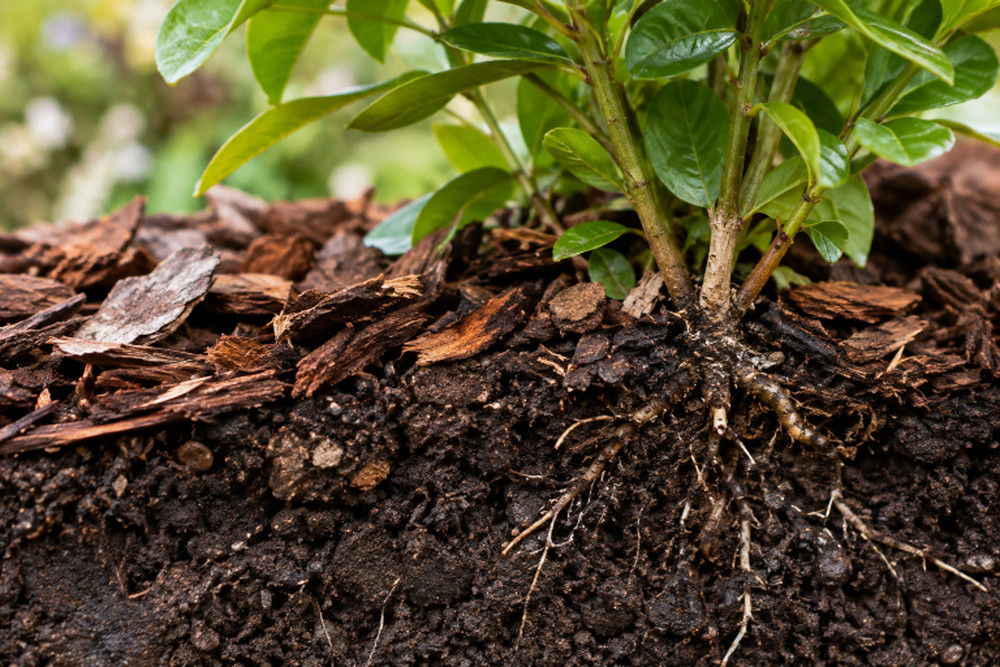
Organizing beds into low-, moderate-, and higher-water areas can reduce waste and make irrigation easier to manage. These water-efficient gardening practices also emphasize matching plants to their conditions, improving soil before planting, and using mulch to conserve moisture around roots.
Rethink the Role of Lawn and Soil
Lawn is useful where people play, gather, or need open space, but not every corner of a property needs grass. Reduce turf on steep slopes, tight strips, and hard-to-mow edges. Avoid creating tiny grass islands that require extra trimming. Replace difficult lawn sections with appropriately spaced shrubs, ground covers, mulch, or paths rather than covering the entire yard with gravel.
Soil conditions deserve equal attention. Compacted soil can limit root growth and contribute to weak plants or poor drainage. Inspect areas disturbed by construction, protect roots around established trees, and use soil testing when plant performance has been consistently poor. Make needed improvements before edging, irrigation lines, and new plantings make the work harder.
Plan Water Use and Drainage Early
Direct water toward plant root zones instead of pavement, and keep plants with similar water needs together. Check sprinklers for overspray, adjust schedules as weather changes, and use mulch to reduce evaporation and suppress weeds. The Department of Energy recommends water-efficient landscape design that considers plant selection, soil conditions, irrigation efficiency, and hydrozones together.
Drainage should be solved before decorative improvements begin. Standing water, basement moisture, eroded soil near downspouts, repeated plant failure, and mulch that washes away are signs that the site needs attention. Water should move away from the home without being redirected toward a neighbor’s property, sidewalk, or public drainage area.
Add Useful Outdoor Zones
Paths, patios, and seating areas can lower maintenance when they follow natural movement through the yard. Place walkways where people already travel so they do not cut through beds or compact the lawn. Choose stable surfaces that are easy to sweep, leave enough space for circulation around furniture, and include shade where the family will spend the most time. Lighting is especially helpful near entries, stairs, and noticeable grade changes.
Design for Every Season
A durable Northern Virginia landscape should offer interest beyond spring. Combine evergreen structure, shrubs with strong branching, plants with staggered bloom periods, and trees with fall color or distinctive bark. Leave practical access for leaf cleanup, snow, and seasonal maintenance. This approach keeps the yard from looking empty when flowers are not in bloom.
Common Mistakes That Increase Yard Work
- Planting too close to the house or ignoring the mature plant size.
- Adding beds before addressing drainage and soil concerns.
- Mixing plants with very different watering requirements.
- Installing irrigation or lighting after the hardscape is complete.
- Choosing plants only from photos or nursery displays.
- Failing to check utility locations, permits, or neighborhood rules.
A Simple Yard Planning Checklist
- Photograph and measure the property.
- Mark sunny, shaded, wet, dry, and heavily used areas.
- Identify existing trees and plants worth preserving.
- List the yard’s main uses and set a maintenance limit.
- Prioritize drainage, access, and utility needs before planting.
- Create phases that account for future paths, irrigation, and plant growth.
Conclusion
A low-maintenance Haymarket yard begins with observation and a written plan. When soil, drainage, usable lawn, plant selection, water use, and outdoor living areas work together, the landscape becomes easier to maintain and more enjoyable year-round.