Now Reading: Beach Holiday Essentials: The Smart Packing Guide for a Stress-Free Trip
-
01
Beach Holiday Essentials: The Smart Packing Guide for a Stress-Free Trip

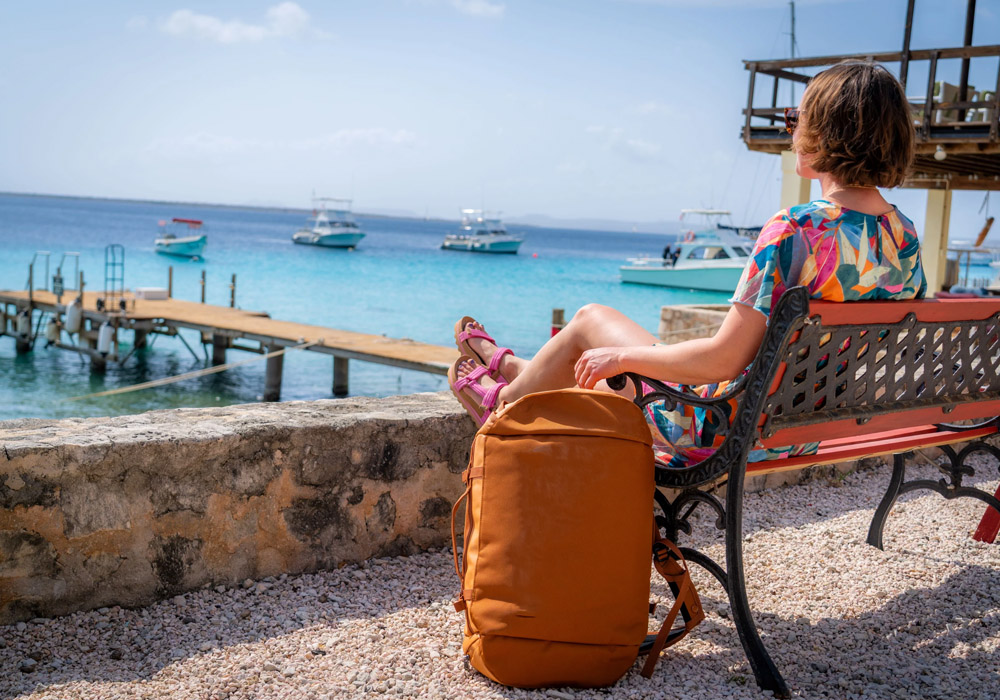
A beach holiday sounds wonderfully simple until you realize how many small things can make a difference once you arrive. Packing too much leaves you carrying unnecessary weight, while forgetting key items can turn a relaxing day into an inconvenient one. The goal is not to bring everything you own, but to choose versatile essentials that protect you from the sun, keep you comfortable, and make time by the water easier.
Start With the Right Swimwear
Swimwear is arguably the most important clothing item for a beach holiday, but choosing what to pack should involve more than picking something that looks good. Consider how you plan to spend your time. If you expect to swim, snorkel, paddle, play beach sports, or spend long hours in the water, comfort and a secure fit should be priorities.
For longer trips, bringing at least two swimsuits can make your routine easier. Having a dry option available is particularly useful when one suit is still damp after swimming. You can also rotate between different styles depending on whether you are swimming actively, relaxing by the shore, or heading to a nearby café.
A full coverage bikini can be a practical choice for travelers who prefer additional coverage and a secure feel while enjoying the beach. The best swimwear is ultimately the style that lets you move comfortably and confidently without constantly adjusting it.
Add a Useful Cover-Up
A lightweight cover-up is another beach-holiday essential that can serve several purposes. It can provide extra coverage when walking away from the water, make it easier to transition from beach activities to casual meals, and offer some protection from direct sunlight.
Choose something breathable and easy to pack. A loose shirt, lightweight dress, wrap, or similar layer can work well without taking up much room in your luggage. Neutral or versatile colors can also make it easier to coordinate with the rest of your vacation wardrobe.
Make Sun Protection a Priority
A beach holiday usually means spending more time outdoors than you would during a typical day. That makes sun protection one of the most important categories in your packing list. Sunscreen, sunglasses, and a hat are not merely accessories; they can help you enjoy your trip more comfortably while reducing unnecessary sun exposure.
Choose a broad-spectrum sunscreen appropriate for your needs and destination, and pack enough for the entire trip rather than assuming you can easily find your preferred option after arrival. Reapplication is also important, particularly after swimming or extended time outdoors.
Pack More Than Sunscreen
A wide-brimmed hat can provide additional shade for your face and head, while sunglasses can make bright conditions more comfortable. A lightweight long-sleeved shirt or other sun-protective layer may also be useful when you plan to spend many hours outside.
Do not forget lip protection, either. Lips can also be exposed to strong sunlight, so an appropriate lip balm with sun protection can be a convenient addition to your beach bag.
Think about sun protection as a complete system rather than relying on a single product. Combining sunscreen with shade, clothing, hats, and sensible breaks from direct sunlight can make long beach days more comfortable.
Bring Items That Keep You Comfortable
The beach is relaxing until you are sitting on hot sand with nowhere comfortable to put your belongings. A few simple comfort items can make a significant difference without requiring you to pack an entire suitcase for one afternoon.
A lightweight beach towel is an obvious essential. Quick-drying towels can be particularly convenient for travel because they are generally easier to pack and can dry more quickly between uses. Beach-specific towels are also designed with the realities of sand and outdoor use in mind.
A beach mat or blanket may also be worthwhile, especially if you expect to spend several hours on the sand. Whether you need one depends on the destination, accommodations, and personal preference. If your hotel or rental already provides beach towels and chairs, you may be able to leave some bulky items at home.
Choose Footwear for the Destination
Flip-flops or sandals are useful for getting around a typical sandy beach, but they are not necessarily suitable for every shoreline. Rocky beaches, coral areas, slippery surfaces, or water activities may call for footwear designed to provide better traction and protection.
Think about your actual itinerary before packing multiple pairs of shoes. One comfortable pair for walking and one beach-friendly option may be enough for a simple trip. If you plan to hike, explore rocky coastal areas, or participate in water activities, pack footwear that matches those plans rather than relying on a single pair for everything.
Protect Your Water, Food, and Valuables
Hydration is easy to overlook when you are focused on swimming, sunbathing, or exploring. Bring a reusable water bottle so you have an easy way to carry water throughout the day. Staying hydrated becomes particularly important in hot weather and during physical activities.
If you are spending most of the day away from your accommodation, consider packing simple snacks as well. Foods that travel easily and do not require complicated preparation can help prevent hunger from disrupting your plans.
A small insulated bag or cooler may be useful for longer beach outings, although it is not necessary for every trip. If you are staying close to restaurants, cafés, or your hotel, carrying a large cooler may create more inconvenience than value.
Keep Electronics and Important Items Dry
Sand and water can quickly become problems for phones, cards, keys, and other valuables. A waterproof pouch or dry bag can provide an additional layer of protection when you are near the water. It can also keep small items organized inside your larger beach bag.
Avoid bringing unnecessary valuables to the beach. The fewer important belongings you need to watch, the easier it is to relax. Before leaving your accommodation, ask yourself whether you really need each electronic device, piece of jewelry, or other valuable item.
A practical beach bag should be large enough for your essentials without becoming so heavy that carrying it becomes unpleasant. Water-resistant materials can also be useful when your belongings may encounter splashes or damp towels.
Pack Clothing That Works Beyond the Beach
Beach holidays are rarely spent entirely on the sand. You may visit local restaurants, walk through shops, explore nearby attractions, or spend evenings outdoors. Packing only swimwear and beach clothes can leave you scrambling for appropriate outfits later.
Instead, choose lightweight clothing that can be mixed and matched. A few breathable tops, comfortable shorts or trousers, an easy evening outfit, underwear, sleepwear, and a light layer can cover most casual situations. Choosing pieces that coordinate with one another can reduce the number of items you need.
Consider the local climate as well. Warm destinations can still have cooler evenings, rainy periods, or strong air conditioning indoors. A lightweight layer can take up little space while giving you more flexibility.
Keep Your Beach Bag Separate
It can be helpful to distinguish between your main luggage and the smaller bag you take to the beach. Your beach bag might contain sunscreen, sunglasses, a hat, water, a towel, swimwear, and a waterproof pouch.
Keeping these items together means you do not have to unpack your entire suitcase whenever you want to spend time by the water. It also makes transitions between the hotel, beach, and other activities much easier.
Do Not Forget Personal Care and Practical Extras
A few small personal-care items can prevent minor inconveniences during your trip. Pack toiletries you know you need, along with any regular medications or health-related necessities. A basic first-aid selection can also be useful for minor cuts, scrapes, blisters, or other everyday problems.
After-sun care may be helpful if you spend significant time outdoors. Even with careful sun protection, your skin may appreciate a gentle moisturizing product after a long day outside. Insect protection can also be worth packing depending on the destination and season.
Other small extras can include hair ties, a brush or comb, tissues, hand sanitizer, and a reusable shopping bag. None of these items needs to take up much space, but having them available can make your trip more convenient.
Think About What Your Destination Provides
Before packing bulky beach equipment, check what your accommodation or destination already offers. Some places provide towels, umbrellas, chairs, water sports equipment, or other amenities. Bringing duplicates only adds weight.
The same principle applies to entertainment. You may want a book, journal, card game, or another small activity for downtime, but you do not need to pack an entire collection. Choose one or two things you genuinely expect to use.
What You Can Probably Leave at Home
Overpacking often happens because travelers prepare for every hypothetical situation. While preparation is useful, bringing too many items can make travel more stressful and leave you with bags full of things you never touch.
Multiple pairs of similar shoes, excessive accessories, oversized beach equipment, and duplicate toiletries are common examples. Unless you have a specific reason to bring something, ask whether you could reasonably manage without it or whether the destination already provides an alternative.
You should also avoid packing clothing for every possible occasion. A small collection of versatile pieces is often more useful than a large wardrobe of single-purpose outfits. Current beach packing guides similarly emphasize swimwear, sun protection, lightweight clothing, towels, footwear, hydration, and waterproof storage as the core categories to consider.
Build a Beach Packing List Around Your Plans
The perfect beach holiday packing list is not identical for everyone. A traveler staying at a resort for a week will need different items from someone taking a day trip to a remote shoreline. Your activities, accommodation, weather, transportation, and access to shops should all influence what you bring.
Before closing your suitcase, think through a typical day of your trip from morning to evening. What will you wear? How will you get to the beach? Will you swim? How long will you stay outdoors? Where will you keep your valuables? Will you need to change before dinner?
This simple exercise can reveal what you genuinely need while helping you remove items that only seemed useful while packing. The goal is a bag that supports your plans rather than one that becomes another thing you have to manage.
Conclusion
A successful beach holiday does not require an enormous suitcase. The essentials are surprisingly simple: comfortable swimwear, reliable sun protection, lightweight clothing, suitable footwear, hydration, a towel, and practical ways to protect your belongings. Add items based on your destination and activities, and leave behind anything unlikely to serve a real purpose. Packing thoughtfully lets you spend less time managing your belongings and more time enjoying the shore.