Now Reading: Common Kitchen Plumbing Problems and How to Prevent Them
-
01
Common Kitchen Plumbing Problems and How to Prevent Them

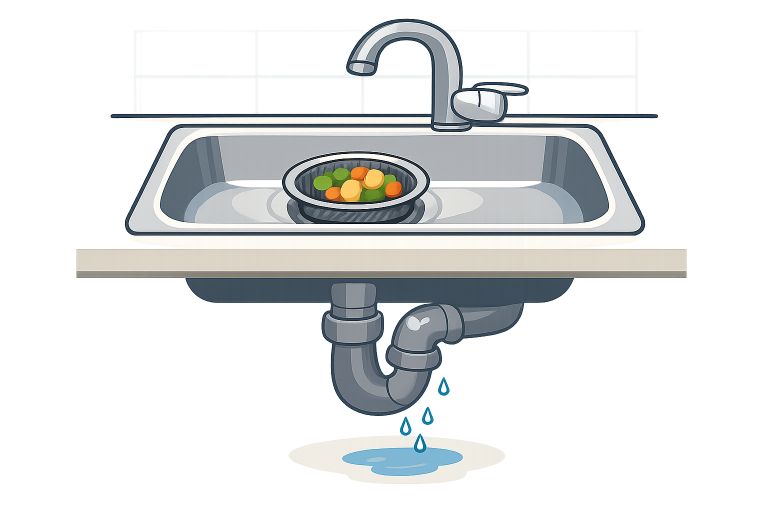
The kitchen is the heart of the home, bustling with activity from morning until night. Given its daily use, it is no surprise that kitchen plumbing problems are among the most common household issues. From clogged sinks and leaky faucets to malfunctioning garbage disposals, knowing how to address these problems can help you save money and avoid major disruptions to your routine. If you are looking for expert solutions or want to avoid future headaches, you can always contact reliable kitchen repair services in Kansas City for professional assistance.
By understanding the root causes of these issues and adopting preventive habits, you can keep your kitchen running smoothly. Most problems can be avoided or minimized with regular maintenance and some simple best practices. Early detection is key, as even a minor leak can lead to water damage or costly repairs if ignored. Staying informed empowers homeowners to take action before small annoyances become big problems. Whether you are a new homeowner or simply want to prolong the life of your fixtures, learning about kitchen plumbing maintenance is well worth the effort.
Clogged Sinks
A clogged sink is a common and inconvenient kitchen issue caused by grease, soap residue, and food particles that collect and harden in drainpipes, leading to slow drainage or blockages. To prevent this, avoid pouring grease or oil down the drain; instead, dispose of used oil in a heat-resistant container. Use a sink strainer to catch food scraps and clean it regularly.
Do not discard coffee grounds or fibrous vegetables like celery or potato peels in the sink. Flush the drain with hot water periodically, and if drainage slows, a baking soda and vinegar mixture can help clear the lines before a full clog occurs. For more tips, see This Old House.
Leaky Faucets
Leaky faucets are both annoying and wasteful, potentially leading to hundreds of gallons of water loss per year if left unaddressed. Usually, a worn or damaged washer, O-ring, or cartridge inside the faucet assembly is to blame. Fixing a leaky faucet involves shutting off the water supply, carefully disassembling the faucet, and replacing any faulty components. Homeowners should make sure replacement parts match the original hardware; otherwise, leaks may persist.
- Always use appropriate tools and consult your faucet’s manufacturer’s instructions if attempting repairs yourself.
- If unsure, consult a plumbing professional to ensure the leak is fully resolved before it causes water damage to cabinetry or countertops.
Some leaks may also result from high water pressure or aging fixtures, in which case a plumber’s expertise is essential.
Garbage Disposal Malfunctions
Garbage disposals are a convenient feature in modern kitchens, but are prone to jams and leaks if not properly maintained. Avoid placing hard objects, such as bones or peach pits, into the disposal, as they can damage the blades. Similarly, fibrous foods like corn husks or onion skins can tangle in the mechanism, causing jams. Always run cold water for several seconds before, during, and after operating the disposal to flush food debris out of the unit and pipes.
- Regularly grind small pieces of ice or citrus peels to clean the disposal and combat odors.
- Never use harsh chemical drain cleaners in the garbage disposal, as they may damage internal components.
If your disposal stops working, check for a reset button on the bottom of the unit and consult the user manual for troubleshooting tips.
Low Water Pressure
Low water pressure in the kitchen sink can make daily chores frustrating. Mineral deposits often clog faucet aerators, or there could be hidden leaks in the plumbing system. To pinpoint the problem, unscrew the faucet aerator and clean out any buildup. If water flow improves, mineral accumulation was likely the cause. Leaking pipes should be repaired as soon as possible to prevent further pressure loss and potential structural damage to your home. If all else fails, problems with the municipal water supply or aging pipes may be responsible.
Inspect exposed piping periodically for moisture or rust.
- Contact your local municipality for updates on water pressure concerns in your area.
Persistent low water pressure may require a licensed plumber’s assessment to diagnose and address hidden problems before they escalate.
Dishwasher Leaks
Dishwasher leaks can cause significant water damage behind or beneath your cabinets if not discovered promptly. Common culprits include deteriorated door gaskets, loose hose connections, or overloading the dishwasher. Over time, rubber seals can degrade, so check these areas regularly and replace parts as needed.
- Follow the manufacturer’s loading guidelines to prevent water from spilling over the door.
- Inspect hoses for wear and ensure all connections are tight.
- Address puddles around the dishwasher base immediately to avoid hidden mold or damage beneath the flooring.
Routine inspection after each use can catch small leaks before they become major problems.
Preventive Maintenance Tips
Consistent maintenance is the most effective way to avoid common kitchen plumbing problems. Schedule annual plumbing inspections with a licensed professional who can spot early signs of trouble. If you live in an area with hard water, consider installing a water softener to reduce mineral deposits that can clog pipes and damage appliances. Remind all household members about what should and should not go down the sink or disposal to prevent accidental blockages.
- Keep a kitchen routine checklist for cleaning sink strainers, checking supply hoses, and running hot water through drains weekly.
- Address minor issues as soon as they appear to prevent them from worsening over time.
By staying proactive and dedicated to upkeep, you can keep your kitchen and its plumbing functioning reliably for years to come.
Conclusion
Maintaining a well-functioning kitchen plumbing system requires regular maintenance, good use habits, and prompt action on issues. Problems like clogged sinks, leaky faucets, disposal malfunctions, low water pressure, and dishwasher leaks can often be prevented with routine cleaning, proper disposal, and inspections. Addressing small issues early avoids costly repairs, water damage, and inefficiency. Combining preventive maintenance with expert support helps keep kitchen plumbing reliable, efficient, and durable.