Now Reading: How Marble Benchtops Transform Modern Living Spaces
-
01
How Marble Benchtops Transform Modern Living Spaces

Key Takeaways
- Marble benchtops offer a timeless elegance that complements a wide range of interior styles.
- Advancements in technology have enhanced the durability and maintenance of marble.
- Integrating marble with other materials can create unique and personalized spaces.
Modern interior design continues to evolve as homeowners seek materials that elevate both functionality and aesthetic appeal. Among the many options available, natural stone features have become especially popular for creating bright, cohesive, and visually striking environments. Their ability to blend durability with timeless beauty allows them to adapt seamlessly to a wide range of architectural styles, from minimalist layouts to more luxurious, detail-focused spaces. As a result, these surfaces often serve as focal points that enhance the overall atmosphere of a home.
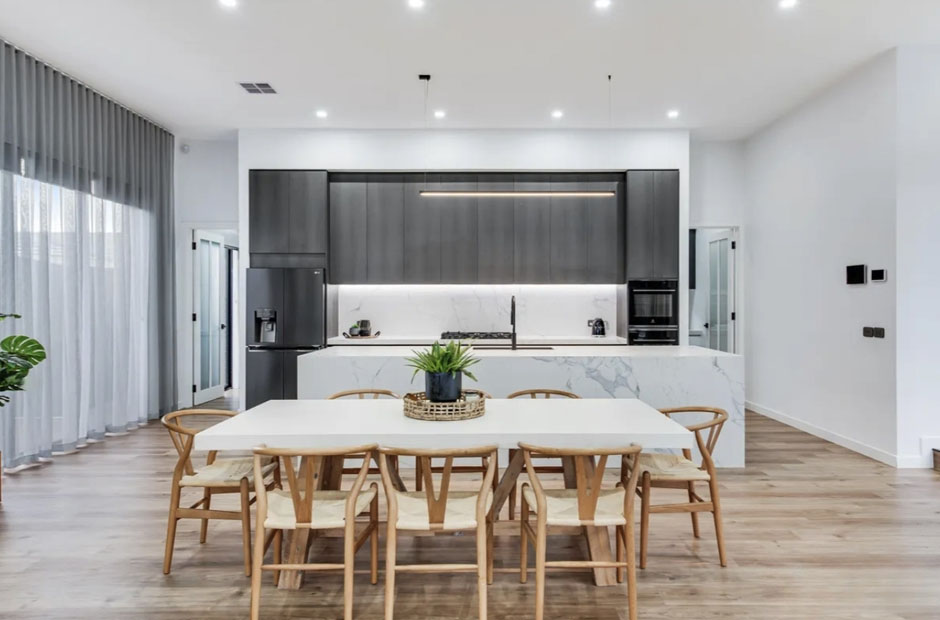
One of the most notable trends in contemporary design is the use of marble kitchen benchtops, which offer a refined balance of texture, color variation, and long-lasting performance. These elements can complement open-plan living areas, add depth to modern palettes, and support practical daily use. By integrating natural stone into key areas, homeowners can create interiors that feel polished, cohesive, and thoughtfully crafted without relying on overly elaborate design choices.
The Timeless Appeal of Marble
Marble’s enduring allure lies in its naturally intricate veining and spectrum of color variations, ensuring each benchtop becomes a centerpiece. Designers and homeowners value marble not only for its visual appeal but also for its tactile qualities—a marble surface is cool and smooth, defining luxury through both sight and touch.
This material’s ability to shift the atmosphere of a space is well-established in architecture and interior design. Whether used in expansive open-plan kitchens or compact bathrooms, marble radiates refinement, supporting a wide range of décor themes without overpowering them.
Technological Advancements Enhancing Durability
Contemporary innovations are alleviating traditional concerns about marble’s susceptibility to stains and scratches. Advanced sealants, surface treatments, and engineered finishes have significantly improved marble’s practicality for everyday use. Now, marble surfaces can resist spills and abrasion, extending their beauty even in high-activity zones like kitchens.
Furthermore, modern fabrication technologies—such as CNC machinery and precision water jet cutting—have expanded what’s possible. Intricate shapes, custom edges, and integrated features can be seamlessly executed, allowing designers to push boundaries and create bespoke installations that fit homeowners’ exact requirements.
Integrating Marble with Other Materials
One of marble’s strongest assets lies in its ability to harmonize with a range of complementary materials. When combined with wood, marble softens and balances contemporary spaces, lending a sense of warmth and substance. Metallic fixtures or accents, meanwhile, add an industrial flair, making marble ideally suited for loft-style homes and urban apartments. Glass components can introduce a touch of transparency and lightness, ensuring the overall design remains airy and modern.
Innovative uses of mixed materials are a hallmark of today’s most talked-about interiors, which showcase creative design solutions that blend marble with various finishes to extraordinary effect.
Sustainable Sourcing and Eco-Friendly Options
Sustainability is becoming increasingly important in today’s design decisions, and the marble industry is responding with responsible quarrying methods, recycling initiatives, and support for eco-friendly construction practices. Many suppliers now offer reclaimed or remanufactured marble, minimizing waste and reducing the carbon footprint associated with extraction and processing.
Ethical sourcing and transparency in the stone industry are also gaining importance among consumers, ensuring that the beauty of marble does not come at the expense of environmental responsibility or social impact. This alignment with sustainability goals is helping marble retain its appeal for eco-conscious homeowners.
Marble in Outdoor Spaces
The use of marble is not limited to interiors. As outdoor living spaces become prime locations for entertaining and relaxation, homeowners are seeking to extend luxury finishes beyond the walls of their homes. Marble’s natural resilience to weathering and changeable conditions makes it a practical and striking choice for patios, alfresco kitchens, barbecues, and even garden walkways.
These applications blur the lines between indoor and outdoor living, creating harmonious, visually connected environments that invite year-round enjoyment and an elevated lifestyle.
Personalization and Customization
Revolutionary advances in fabrication mean it’s now easier than ever for individuals to shape their dream benchtops. From finishes—high-gloss polished to soft matte honed or subtly textured brushed—to unique structural details like waterfall edges, integrated basin sinks, and dramatic bevel profiles, today’s marble installations are as singular as the homes they inhabit.
Through collaboration with skilled craftspeople and cutting-edge fabrication studios, homeowners can tailor every aspect of their benchtop, ensuring a result that reflects both their functional needs and their personal style vision.
Conclusion
Marble benchtops are more than a fleeting trend; they are a cornerstone of modern design, marrying enduring appeal with cutting-edge practicality. By embracing new technologies, sustainable practices, and innovative combinations of materials, marble continues to transform living spaces—offering elegance, individuality, and lasting performance for generations to come.