Now Reading: How In-Home Care Services Are Shaping the Future of Senior Care
-
01
How In-Home Care Services Are Shaping the Future of Senior Care

Key Takeaways
- In-home care services enable seniors to maintain independence and quality of life.
- Personalized care plans address individual health needs effectively.
- Technological advancements enhance the efficiency and reach of in-home care.
- In-home care can be a cost-effective alternative to institutional care.
- Challenges such as workforce shortages are being addressed through innovative solutions.
Introduction
The rising number of older adults in the United States and worldwide is driving the demand for senior care services to new heights. Increasingly, in-home care has surfaced as the preferred option for both seniors and their families. This model keeps individuals in their familiar surroundings, providing a sense of continuity and comfort that is hard to replicate in institutional care settings. In addition, the combination of medical and non-medical support delivered at home ensures that seniors’ health and lifestyle needs are met on their terms. For many families seeking reliable help, in-home care offers peace of mind and tailored support through providers such as 1st Meridian Care Services at 1stmeridiancareservices.com. This approach not only benefits older people but also supports family members in remaining closely involved with their loved one’s care and daily life.
Unlike traditional care facilities, in-home care services can offer a highly personalized approach, prioritizing each client’s unique requirements and preferences. With healthcare and assistance increasingly delivered to their doorsteps, seniors can experience the best of both worlds: the freedom of home and the critical support they need. Moreover, this trend aligns with major shifts in the healthcare sector, emphasizing not just treatment but prevention and overall well-being. Expanding access to quality care at home is also transforming the healthcare landscape, bringing timely interventions and continuous monitoring to those who might otherwise face barriers in seeking regular care. These ongoing evolutions are supported by research, with multiple sources highlighting improved satisfaction and health outcomes for seniors who choose at-home services.
Benefits of In-Home Care
There are several clear advantages to pursuing in-home care for seniors. One of the most significant benefits is helping individuals maintain their independence. Seniors can continue their daily routines, set their own schedules, and engage in activities that enhance their sense of purpose. This independence is invaluable for emotional and psychological well-being. Receiving care in a known environment also reduces stress, a factor that can significantly impact physical health. Seniors who are comfortable at home often experience better sleep, less anxiety, and greater happiness. Another important advantage is the increased opportunity for family involvement. When loved ones are more present and engaged in the care process, outcomes tend to improve, and families benefit from the reassurance of seeing their relatives receive compassionate, consistent support.
- Independence: Seniors retain control over their lifestyle and preferences.
- Comfort: Familiar surroundings promote mental and emotional well-being.
- Family Involvement: Loved ones can be active participants in everyday care.
Personalized Care Plans
Every senior’s situation is different, making a one-size-fits-all approach ineffective. Personalized care plans are developed through collaboration among care providers, families, and seniors. This includes evaluations of medical history, personal interests, mobility, cognitive capacity, and social needs. As a result, care is more effective in managing chronic conditions, preventing hospitalizations, and enhancing daily life. Such attention to individual differences has a measurable impact. Studies have shown that seniors with personalized care plans report higher satisfaction and better health outcomes than those in institutional settings. By adapting to changing needs, these plans ensure that support evolves alongside the client’s health status and preferences.
Technological Advancements
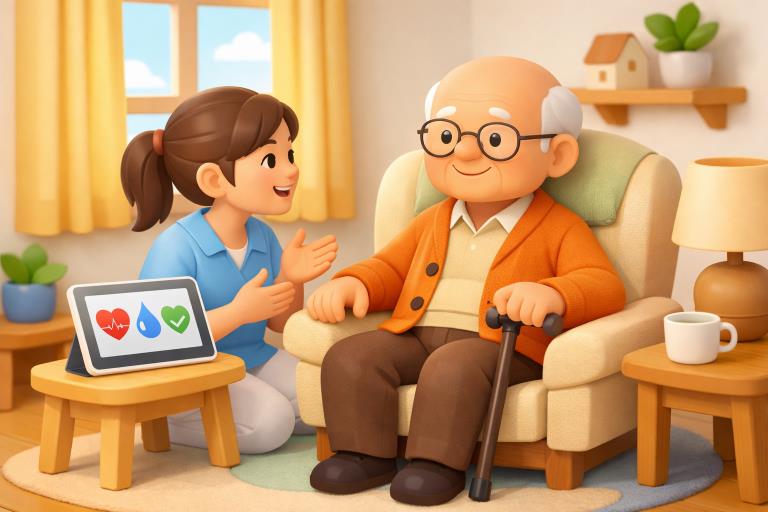
Technology plays a crucial role in making modern in-home care safer, more efficient, and more accessible. Telehealth platforms enable virtual consultations with healthcare professionals, eliminating the need for frequent trips to doctors’ offices. Remote monitoring devices track vital signs, activity levels, and medication compliance, allowing care teams to detect potential issues before they escalate. Medical alert systems and smart devices provide additional layers of security, giving seniors the confidence to live independently. Advancements such as electronic medication dispensers and automated reminders are reducing human error and easing caregiver workloads. These innovations not only support better care but also empower seniors to engage with their own health management.
Cost-Effectiveness
A major reason many families are shifting toward in-home care is its potential to lower overall costs. Traditional long-term care facilities can be prohibitively expensive, often requiring significant out-of-pocket expenses or insurance resources. In-home care, especially when tailored to actual needs and hours, can significantly reduce monthly and annual expenditures. Additionally, effective in-home care can reduce hospital readmissions and emergency room visits by promptly addressing health issues. Delaying the move to institutional settings also helps families avoid major financial commitments, thereby maximizing resources for quality-of-life improvements.
Workforce Challenges and Solutions
The rapidly growing demand for in-home care has unfortunately outpaced the supply of trained caregivers. This shortage is being tackled through a variety of innovative strategies, such as launching worker-owned cooperatives that encourage personal investment in the caregiver role and utilizing direct-connect registries that match caregivers to families more efficiently. These models increase job satisfaction and help reduce burnout, ultimately supporting higher retention rates within the industry. Ongoing investment in training, professional development, and recognition for caregivers is also contributing to a more robust and engaged workforce prepared to meet future needs.
Conclusion
In-home care is redefining the possibilities for senior living, offering a combination of independence, personalization, and security. As technology advances and creative labor solutions enable meeting the growing demand, more seniors will be able to remain in the places they love, surrounded by the people and routines that make them happiest. The future of senior care will continue to blend innovative thinking with compassionate support, ensuring an ever-higher standard of living for older adults everywhere.