Now Reading: How to Tell If You Have an Impacted Tooth: Key Signs and Symptoms
-
01
How to Tell If You Have an Impacted Tooth: Key Signs and Symptoms

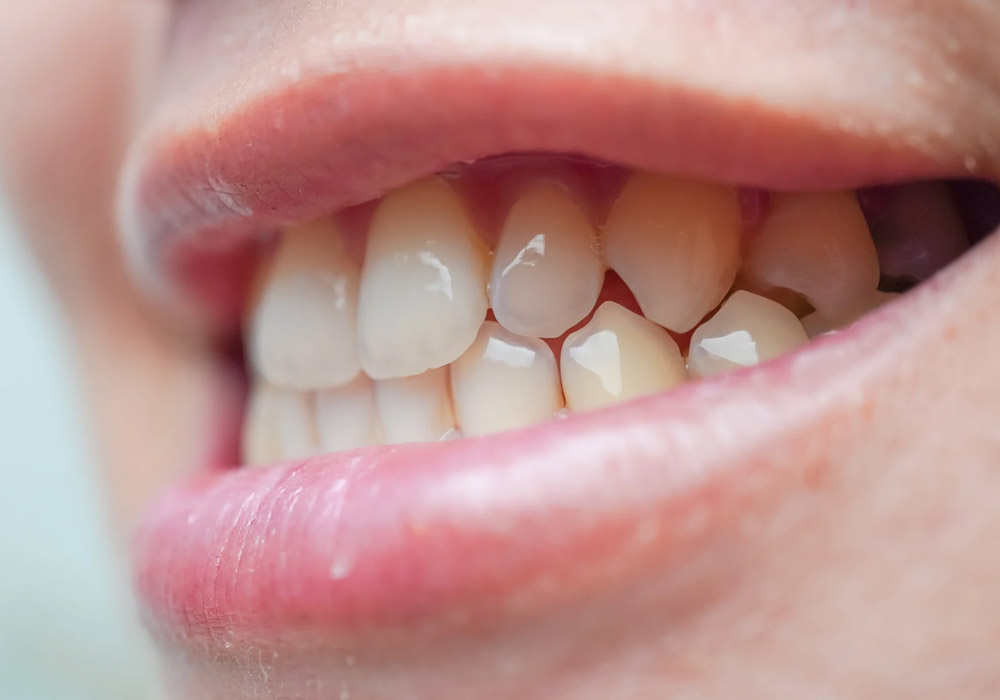
Teeth are designed to emerge smoothly through the gums, positioning themselves neatly within the dental arch. However, things do not always go according to plan. When a tooth fails to fully break through the gum line—either because it is blocked by adjacent teeth, growing at an improper angle, or hindered by a lack of space in the jaw—it becomes what dentists refer to as an “impacted” tooth.
While any tooth can become impacted, the third molars—commonly known as wisdom teeth—are by far the most frequent culprits. Because wisdom teeth are the last to arrive, usually making their appearance between the ages of 17 and 25, the adult jaw often lacks the necessary space to accommodate them. Recognizing the signs of an impacted tooth early can save you from severe discomfort, structural damage to neighboring teeth, and costly orthodontic complications down the road.
Understanding the Types of Impaction
Impacted teeth generally fall into two main categories:
- Partially Impacted: Part of the tooth crown has broken through the gum surface, while the rest remains trapped beneath the tissue or bone. This creates a small flap or pocket in the gum line that is notoriously difficult to clean.
- Fully Impacted: The tooth remains entirely buried within the jawbone and soft tissue, never breaking through the surface of the gum.
Both forms of impaction can trigger a domino effect of oral health issues. Even a tooth hidden beneath the surface can exert continuous pressure on neighboring roots, leading to structural shifts or internal damage.
Common Symptoms of an Impacted Tooth
An impacted tooth may remain silent and asymptomatic for a short time, but as it continues to push against jawbone or neighboring teeth, noticeable symptoms inevitably arise. Here are the primary red flags to watch for:
1. Persistent Pain and Tenderness
One of the most noticeable warning signs is an aching discomfort localized in the back of your jaw or behind your second molars. This pain can range from a subtle, dull ache to a sharp, throbbing sensation that intensifies when biting, chewing, or applying gentle pressure to the surrounding area.
2. Swollen, Red, or Bleeding Gums
When a tooth partially pierces the gum line, it disrupts the surrounding soft tissue. The gum area around the impacted tooth frequently becomes swollen, tender, and visibly inflamed. You may notice increased sensitivity during your daily brushing and flossing routines, or even occasional bleeding when touching the back gums.
3. Chronic Bad Breath or Unpleasant Taste
Partially impacted teeth create small flap-like pockets in the gums that readily trap food particles, saliva, and bacteria. Because these crevices are virtually impossible to clean thoroughly with a standard toothbrush, bacteria thrive and multiply. This often leads to a condition called pericoronitis, resulting in persistent bad breath (halitosis) or an unpleasant taste in your mouth.
4. Jaw Stiffness and Difficulty Opening the Mouth
As inflammation spreads from the impacted tooth into the surrounding muscle and joint tissue, you may experience jaw stiffness or trismus. Opening your mouth wide to eat, speak, or yawn can become uncomfortable or distinctly painful.
5. Headaches and Radiating Pain
The pressure exerted by an impacted tooth isn’t always confined to the immediate tooth site. Nerve pathways within the jaw can radiate pain upward toward the temple, ear, or neck, leading to persistent tension headaches that do not respond well to standard over-the-counter pain relievers.
When to Seek Professional Care
Ignoring an impacted tooth will not make the problem disappear. Over time, untreated impaction can lead to cyst formation around the buried tooth, bone loss, decay in neighboring healthy molars, and severe crowding across your entire dental arch.
If you experience persistent discomfort in the back of your mouth, scheduling an evaluation with an oral health professional is essential. A comprehensive clinical examination and digital X-rays can precisely map the position of your teeth and determine whether removal is necessary. For individuals experiencing severe jaw pain or misalignment caused by emerging molars, seeking a specialist for wisdom tooth extraction in Ogden provides a proven path toward permanent relief and optimal oral wellness.
Take Control of Your Oral Health
Your smile is a lifelong asset, and addressing impacted teeth promptly is one of the best ways to safeguard it. If you suspect an impacted molar is causing your symptoms, do not wait for the pain to escalate. Consult a qualified dental surgeon to discuss your options and restore comfort to your everyday life.