Now Reading: The Home Maintenance Checklist for Denver, Colorado: Small Fixes That Help Prevent Big Repairs
-
01
The Home Maintenance Checklist for Denver, Colorado: Small Fixes That Help Prevent Big Repairs
The Home Maintenance Checklist for Denver, Colorado: Small Fixes That Help Prevent Big Repairs

Key Takeaways
- Small leaks, loose fixtures, worn seals, and exterior damage can lead to more expensive repairs if ignored.
- Water, electrical concerns, drainage, and trip hazards deserve the fastest response.
- A monthly walkthrough and seasonal checklist make maintenance easier to manage in Denver’s changing weather.
- Several minor repairs can often be combined into a single efficient service visit.
- Simple tasks may be suitable for DIY work, but specialized or safety-related projects call for qualified help.
Denver homeowners deal with bright sun, sudden storms, freezing temperatures, and seasonal moisture, all of which can expose weak caulk, worn weatherstripping, loose exterior materials, and drainage issues. A practical maintenance routine helps catch those changes while they are still manageable.
When a to-do list starts growing, handyperson support can make routine upkeep less overwhelming. Milt’s Handyman Services provides repairs, maintenance, installations, and small property projects for homes and businesses, with a local team serving Denver and the greater Denver region. Its experience with indoor and outdoor repair lists makes the company a relevant resource for homeowners looking to organize related maintenance tasks in a single visit.
Why Small Repairs Matter
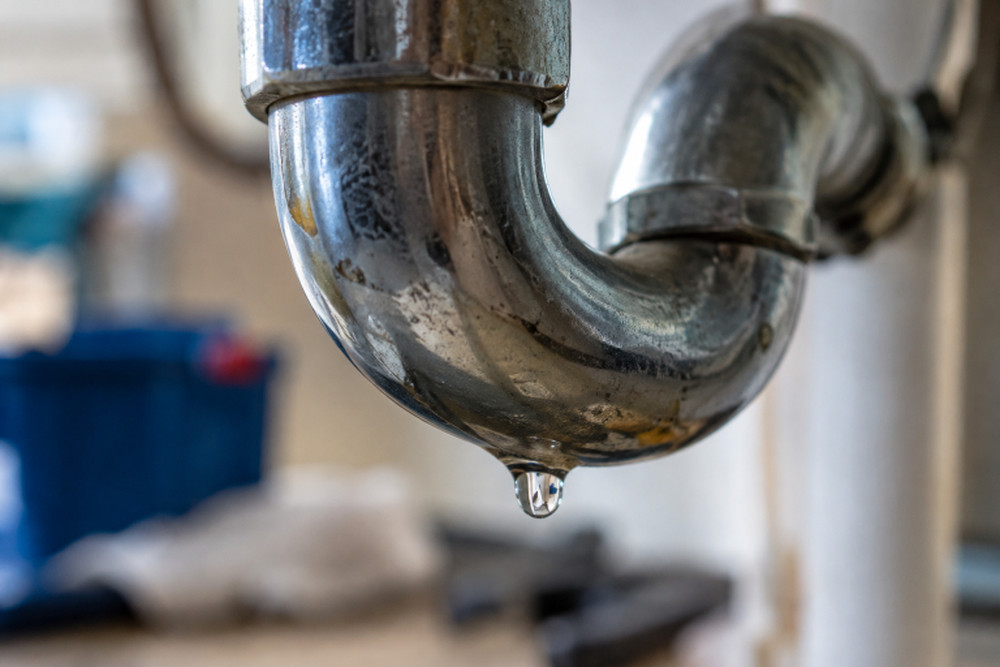
A slow leak beneath a sink can stain cabinetry and surrounding materials. A failed bead of caulk can allow moisture behind a tub or window trim. A loose handrail may become a fall risk long before it fully detaches. These problems often worsen because water, weather, and repeated use keep working on the affected area every day.
The goal is not to repair every cosmetic flaw immediately. It is to identify issues that can spread, pose a safety concern, or cause the home’s exterior to lose its protective barrier.
Monthly Home Checks
Set aside less than an hour each month for a basic walkthrough. Check under sinks for dampness, stains, corrosion, or musty odors. Test smoke alarms and carbon monoxide alarms according to the manufacturer’s directions. Open, close, and lock doors and windows, then look for cracked caulk, peeling paint, soft drywall, damaged cords, warm outlets, or loose light fixtures.
After heavy rain or snowmelt, inspect gutters, downspouts, and outdoor drains. Water should move away from the house rather than collect next to siding, walkways, or the foundation.
The Seasonal Maintenance Checklist
Spring
Look for winter damage on siding, trim, decks, fences, steps, and window seals. Clear leaves and debris from gutters and downspouts, and note loose boards or peeling paint before spring rain reaches exposed surfaces.
Summer
Inspect exterior caulk, paint, exposed wood, gates, railings, and fence sections. Check for standing water after irrigation or storms. This is also a useful time to notice loose ceiling fans, outdoor fixtures, or screens that need attention.
Fall
Clean gutters before winter weather arrives, inspect roof edges and visible flashing from the ground, and seal noticeable gaps around exterior doors and windows. Prepare irrigation components and outdoor plumbing for colder conditions. Year-round seasonal home maintenance guidance can also help homeowners time routine tasks around changing weather.
Winter
Watch for drafts, moisture near windows, new stains on the ceiling, and plumbing that may be vulnerable to freezing. Keep steps, walkways, and handrails clear and stable, especially when snow or ice is present.
Water Problems to Catch Early
Water deserves priority because damage may continue out of sight after the first visible clue. Look for discoloration, warped flooring, bubbling paint, swollen trim, soft drywall, or a persistent musty smell. Check caulk around tubs, showers, sinks, and windows, where small gaps can let moisture into adjoining materials.
Clogged gutters can also send runoff toward siding and foundations rather than through the downspout system. During an active plumbing leak, shut off the local supply valve or main water supply if it is safe to do so, then arrange appropriate repair help.
Safety Repairs That Should Not Wait
Address loose stair rails and grab bars, broken steps, damaged deck boards, uneven walkways, and doors that do not latch or lock. Heavy wall-mounted items and ceiling fans should remain firmly secured. Cracked switch plates, exposed wiring, warm outlets, burning odors, or breakers that trip repeatedly are not routine handyman tasks. Electrical, gas, structural, and active water emergencies may require a licensed or specialized professional.
Exterior Areas to Inspect
- Roofline: From a safe location, look for missing materials, damaged flashing, or visible sagging.
- Gutters: Check for clogs, loose sections, and downspouts that discharge too close to the home.
- Decks and fences: Watch for rot, loose fasteners, leaning posts, and unstable rails.
- Doors and windows: Inspect weather seals, screens, locks, and visible frame damage.
- Walkways: Note cracks, lifted surfaces, poor drainage, and slippery buildup.
Exterior care is about more than curb appeal. It can reduce moisture entry, prevent trip hazards, and help materials hold up through Denver’s seasonal shifts.
When to DIY and When to Call a Professional
Good DIY candidates include tightening accessible hinges, replacing cabinet hardware, applying simple weatherstripping, touching up small paint marks, and cleaning easily reached gutter debris when conditions are safe. Stop when the task involves ladders, live wiring, hidden water damage, gas connections, major rot, suspected mold, or structural movement.
Roof work, plumbing leaks in walls or ceilings, and electrical troubleshooting beyond basic maintenance are better evaluated by the right, well-trained professional.
How to Bundle Small Projects
- Walk through each room and write down every repair.
- Group items by room, material, or skill needed.
- Mark each task as urgent, seasonal, or cosmetic.
- Take clear photos of damaged areas.
- Ask whether related tasks can be completed in a single visit.
- Confirm materials, timing, price structure, and cleanup expectations.
How to Build a Maintenance Plan
Keep a simple notes app, spreadsheet, or paper folder with repair dates, photos, receipts, and observations. Review leaks, unusual sounds, drafts, and hazards weekly. Test alarms and inspect visible plumbing monthly. Review gutters, seals, and exterior surfaces seasonally, then plan larger system reviews annually.
Use three priorities: fix active leaks, electrical hazards, and unsafe stairs now; schedule failed caulk, loose fixtures, damaged trim, and exterior wear soon; plan cosmetic updates and non-urgent improvements later. Delayed maintenance can turn a minor concern into a larger expense, which is why identifying small repairs that can become costly is a useful habit for every homeowner.
Final Thoughts
Home maintenance does not need to consume every weekend. A short monthly check, a seasonal list, and a clear priority system can help Denver homeowners act before small problems become disruptive repairs. Notice changes early, respond quickly to water and safety concerns, and bring in qualified help when a project exceeds basic DIY skills.