Now Reading: Storm-Ready Trees in Chesapeake, VA: A Homeowner’s Guide to Safer Yards Before Severe Weather
-
01
Storm-Ready Trees in Chesapeake, VA: A Homeowner’s Guide to Safer Yards Before Severe Weather
Storm-Ready Trees in Chesapeake, VA: A Homeowner’s Guide to Safer Yards Before Severe Weather

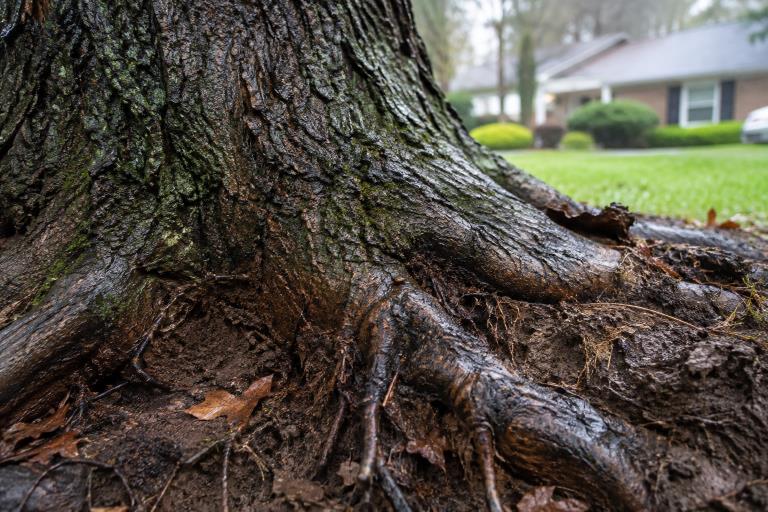
In Chesapeake, a tree problem can become urgent when heavy rain softens the ground, strong winds load a broad canopy, or an existing defect finally gives way. A calm-weather inspection helps homeowners notice concerns before the forecast turns. If a tree’s condition is unclear, tree service Chesapeake, VA support from 757 Tree Solutions can provide a local evaluation. The Chesapeake-based company offers pruning, removal, plant health care, crane-assisted work, and emergency response through ISA-certified arborists, with service extending to Suffolk and Virginia Beach.
Storm preparation does not mean removing every mature tree. Many trees can remain valuable parts of a landscape with monitoring, thoughtful pruning, root protection, or structural support. The goal is to identify changes early enough to make a careful decision instead of reacting after a limb lands on a roof, driveway, fence, or access route.
Why Chesapeake Trees Face Extra Stress
Chesapeake properties often combine mature trees, established neighborhoods, nearby structures, and changing coastal weather. In areas such as Great Bridge, Deep Creek, Hickory, Western Branch, and Greenbrier, large trees may grow close to homes, sidewalks, vehicles, and utility corridors. Heavy rainfall can leave soil wet around roots, while thunderstorms and tropical systems can expose weak limbs and unstable root systems to strong winds.
Construction activity, compacted soil near driveways, and repeated traffic across root zones can also affect a tree over time.
A Simple Ground-Level Tree Inspection
A homeowner can complete a useful visual check without climbing, cutting, or standing beneath questionable branches. Walk slowly around the tree and look from several angles.
- Start at the base. Look for newly exposed roots, soil heaving, fungal growth, or a root plate that appears to be lifting.
- Check the trunk. Note cracks, cavities, seams, loose bark, dead areas, or unusual swelling.
- Examine major branch unions. Narrow forks, rubbing limbs, and bark trapped between two stems can indicate a weaker connection.
- Scan the canopy. Watch for deadwood, broken branches, hanging limbs, or a canopy that appears suddenly uneven.
- Identify likely targets. Consider roofs, decks, play areas, vehicles, sidewalks, fences, and power lines.
- Take photographs from a safe distance. Dated photos can make gradual movement or canopy decline easier to recognize.
Seven Warning Signs That Deserve a Closer Look
- A new lean or a lean that appears to be increasing.
- Fresh cracks in a trunk or a large branch.
- Dead or hanging limbs above a roof, driveway, road, or walkway.
- Large cavities, soft wood, or visible decay near the base.
- Fungal growth around the trunk flare or major roots.
- Roots that shift, lift, or become exposed after prolonged rain.
- Multiple trunks joined at a narrow or visibly splitting connection.
No single sign automatically determines that a tree must be removed. Risk depends on the tree’s condition, its size, the direction it could fail, and what it could strike. A minor defect in an open part of a yard may require monitoring, while the same defect over a bedroom or frequently used driveway calls for faster attention.
What Homeowners Can Do Safely
Basic prevention can reduce stress around trees and make a property easier to manage before a storm.
- Keep mowers, string trimmers, and parked equipment away from trunks and exposed roots.
- Maintain drainage so water does not collect for long periods around the base of a tree.
- Remove loose patio furniture and yard items from beneath questionable branches.
- Keep driveways and access routes as clear as possible before severe weather.
- Remove vines from the lower trunk carefully, without pulling on bark or branches.
- Photograph visible damage before cleanup when conditions are safe.
Do not climb a damaged tree, use a chainsaw on a limb under tension, or attempt work near power lines. If a branch is touching electrical equipment or a line, stay away and contact the utility provider.
Pruning, Monitoring, or Removal?
The right approach should match the tree and the site. A qualified assessment may lead to one of several options:
- Monitoring: Appropriate for minor concerns without an immediate target, particularly when changes can be documented over time.
- Pruning: Can remove deadwood, improve clearance, reduce end weight, or address selected structural issues.
- Cabling or bracing: May help support certain trees with structural weaknesses when preservation remains practical.
- Removal: May be necessary when severe decay, root failure, major storm damage, or an unstable lean creates an unacceptable hazard.
Avoid topping or aggressive cutting intended simply to make a tree smaller. Large indiscriminate cuts can create new stress and encourage poorly attached regrowth.
A Seasonal Checklist for Chesapeake Property Owners
Late Winter
- Look for deadwood exposed after winter wind.
- Review clearance around roofs, driveways, and walkways.
- Plan appropriate structural pruning before storm season.
Spring
- Check for fresh cracks or soil movement after heavy rain.
- Watch for weak leaf development, dieback, or new fungal signs.
- Protect roots from vehicle traffic and landscape projects.
Summer and Hurricane Season
- Address known high-priority concerns before storm warnings are issued.
- Keep emergency alerts active and avoid outdoor tree work during lightning or high winds.
- Move vehicles and outdoor items away from trees with unresolved concerns.
Fall
- Inspect mature trees before winter weather returns.
- Keep leaves and debris from blocking drainage paths.
- Plan future planting with mature canopy size and utility clearance in mind.
What to Do When a Tree Is Damaged
- Keep people and pets away from the tree and any fallen limbs.
- Stay clear of branches touching power lines or utility equipment.
- Do not pull on suspended limbs or cut wood that may be under tension.
- Photograph the scene from a safe location for documentation.
- Contact a qualified tree professional for an on-site assessment when the trunk, roots, or major limbs are involved.
The City of Chesapeake advises residents to prepare trees before severe weather and to watch for conditions such as cracks, cavities, damaged roots, and weak branch structure in its severe-weather tree preparation guidance.
Questions to Ask Before Hiring Tree Care Help
- Will the tree be inspected before work is recommended?
- Are the arborists certified or formally trained?
- Is the company licensed and insured?
- How will the crew protect nearby roofs, fences, landscaping, and pavement?
- Does the written estimate explain cleanup, debris handling, and stump options?
Final Takeaway for Chesapeake Homeowners
Storm-ready tree care begins well before a warning is issued. Regular ground-level inspections, protected root zones, careful pruning, and timely professional guidance can help Chesapeake homeowners make informed choices about the trees around their homes. The priority is not removing trees unnecessarily. It is recognizing when a tree needs monitoring, care, or prompt action before severe weather raises the stakes.