Now Reading: Why a Safe Daycare Environment Matters for Young Children
-
01
Why a Safe Daycare Environment Matters for Young Children

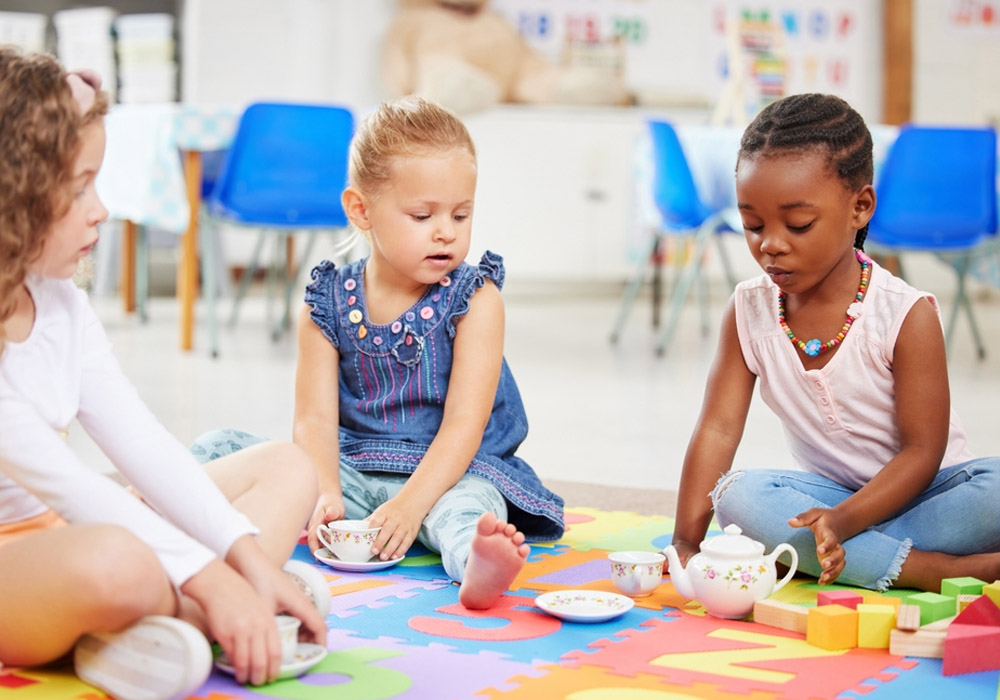
Choosing a daycare is an important decision for any parent. Young children spend many hours each week learning, playing, eating, resting, and interacting with others in a daycare setting. Because of this, the environment should do more than simply keep children busy. It should make them feel protected, comfortable, supported, and cared for throughout the day. A safe daycare environment can support a child’s physical health, emotional well-being, social development, and ability to learn. Parents searching for daycare options should look carefully at how each facility creates a secure space for young children. Safety includes everything from clean classrooms and supervised play areas to caring staff members and clear daily routines.
Physical Safety Helps Protect Growing Children
Young children are naturally curious. They explore their surroundings by walking, climbing, touching objects, and trying new activities. Because they are still learning about danger, daycare spaces need to be designed with their safety in mind. Floors should be clear of unnecessary hazards, furniture should be stable, and toys should be appropriate for the age of the children using them. Doors, gates, playground equipment, and outdoor areas should also be properly maintained. Staff members should regularly check classrooms and activity spaces for anything that could cause an accident. Small objects that may become choking hazards should be kept away from younger children, while cleaning products and other unsafe materials should be stored securely. Strong daycare safety practices allow children to explore their environment while reducing preventable risks.
Clean Spaces Support Better Health
Daycare environments bring many children together in shared spaces. Toys, tables, bathrooms, eating areas, and play equipment may be touched by several children throughout the day. Regular cleaning is therefore an important part of creating a healthy environment. Staff should follow consistent procedures for cleaning commonly used surfaces and toys. Proper handwashing should also be encouraged before meals, after bathroom visits, and after certain activities. Food preparation and eating areas need special attention as well. Meals and snacks should be handled carefully, and staff should be aware of allergies or dietary requirements that may affect individual children. Keeping the environment clean does not mean children will never become sick, but good hygiene practices can help reduce unnecessary exposure to germs and create a healthier space for everyone.
Proper Supervision Reduces Preventable Risks
Even a carefully designed daycare environment needs responsible adult supervision. Young children can move quickly and may not always understand the possible consequences of their actions. Staff members should be able to see and monitor children during classroom activities, outdoor play, meals, and transitions between different areas. Supervision is especially important around playground equipment, stairs, entrances, and other spaces where children may need additional support. Teachers and caregivers should also understand how to respond when children need help. Whether a child falls, becomes upset, or has difficulty sharing with another child, attentive staff can respond quickly and calmly. Consistent supervision helps children stay safer while allowing them to participate confidently in everyday activities.
Emotional Safety Is Just as Important
A child may be physically safe but still feel uncomfortable if the environment is stressful, unpredictable, or unfriendly. Emotional safety is an important part of quality child care. Young children need caregivers who speak to them respectfully and respond to their needs with patience. A caring adult can help a child feel secure when separating from a parent, meeting new classmates, or adjusting to a new routine. Children should feel comfortable asking for help, expressing emotions, and making mistakes. Harsh communication, constant criticism, or unpredictable reactions can make children feel anxious. A calm and supportive environment helps children develop trust. When children feel secure around their caregivers, they are often more willing to explore, communicate, and participate in learning activities.
Daily Routines Help Children Feel Secure
Young children often benefit from knowing what to expect throughout the day. A consistent schedule can make daycare feel familiar and manageable. Daily routines may include arrival time, free play, group activities, meals, outdoor play, quiet time, and pickup. While schedules may change occasionally, having a predictable structure gives children a sense of stability. Transitions should also be handled carefully. Moving from playtime to lunch or from outdoor activities to rest time can be difficult for some children. Giving children clear instructions and enough time to adjust can make these changes easier. A structured routine supports independence because children gradually learn what happens next and what is expected of them.
Safe Play Supports Learning and Development
Play is an important part of early childhood. It gives children opportunities to use their imagination, solve problems, practice movement, and interact with others. A safe daycare should provide age-appropriate activities that allow children to explore without unnecessary risk. Indoor play areas may include books, blocks, art materials, puzzles, or pretend-play activities. Outdoor spaces can provide opportunities for running, climbing, and other physical movement. Safe play is also an important part of early childhood education because many young children learn best through hands-on experiences. When adults provide appropriate supervision and suitable materials, children can enjoy greater freedom to explore their interests while developing important physical, social, and thinking skills.
Positive Social Interaction Builds Confidence
Daycare is often one of the first places where children regularly interact with a larger group of peers. These experiences can help them learn how to share, communicate, take turns, and solve small disagreements. A safe social environment teaches children that they should treat others with respect. Staff members can guide children when conflicts happen instead of expecting them to solve every problem alone. Children may need help understanding emotions, using kind words, or asking for a toy instead of grabbing it. These everyday situations provide valuable opportunities to develop social skills. Positive interaction also helps children build confidence and feel like they belong within the group.
Emergency Preparation Gives Parents Peace of Mind
Daycare safety also includes being prepared for unexpected situations. Facilities should have clear procedures for emergencies such as fires, severe weather, injuries, or other situations that may require quick action. Staff members should understand their responsibilities and know how to safely guide children during an emergency. Important contact information should also be kept updated so parents or guardians can be reached when necessary. Emergency supplies, first-aid materials, and evacuation procedures should be organized and accessible to trained staff. Parents considering daycare options can ask how a facility prepares for emergencies and how families are informed when important situations occur.
Good Communication Supports a Safer Daycare
Parents and daycare staff share responsibility for supporting a child’s well-being. Clear communication makes it easier for both sides to understand a child’s needs. Parents should be able to share information about allergies, health concerns, routines, behavior changes, or other important details. Daycare staff should also communicate when something happens during the day that parents need to know. Regular updates can help families understand how their child is adjusting, what activities they are enjoying, and whether there are any concerns that should be discussed. Open communication builds trust and makes it easier to address small issues before they become larger problems.
A Safe Environment Helps Children Thrive
A safe daycare environment provides more than physical protection. It creates a foundation where young children can feel secure enough to learn, play, communicate, and build relationships. Parents researching daycare services in Taylorsville services should consider cleanliness, supervision, staff interactions, classroom organization, emergency preparation, and overall atmosphere. A daycare should feel welcoming while still maintaining clear safety practices and routines. When children feel protected and supported, they can focus more fully on exploring their surroundings and developing important skills. Choosing a daycare that values both safety and care can give children a stronger foundation for healthy growth during their early years.