Now Reading: Designing the Social Kitchen: Creating the Perfect Space for Gathering and Connection
-
01
Designing the Social Kitchen: Creating the Perfect Space for Gathering and Connection
Designing the Social Kitchen: Creating the Perfect Space for Gathering and Connection

Key Takeaways
- Modern kitchens are evolving into social hubs, blending cooking, dining, and gathering areas.
- Open layouts, multifunctional zones, and thoughtful design elements enhance social interaction.
- Incorporating natural materials and warm lighting creates inviting and comfortable spaces.
- Flexible furniture and adaptable layouts accommodate a range of social activities and gatherings.
Introduction
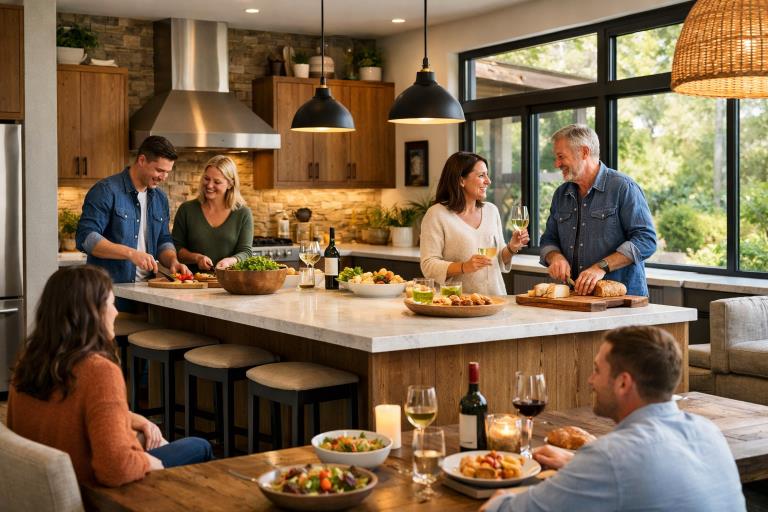
The modern kitchen transcends its role as a place for food preparation, transforming into the heart of the home. Today’s kitchen is where families and friends gather, memories are made, and connections flourish. A thoughtfully designed kitchen not only supports daily routines but also creates an inviting atmosphere perfect for socializing. Whether you are a culinary enthusiast, a casual entertainer, or someone who enjoys the simple pleasure of conversation over coffee, the importance of a social kitchen cannot be overstated.
One of the hallmarks of contemporary kitchen design is a focus on hospitality and togetherness. Open layouts and communal features ensure that no one is isolated while cooking or entertaining. Elements such as integrated seating, large islands, and dedicated gathering zones set the stage for meaningful interaction and shared experiences. For an inspiring look at how modern kitchens merge luxury and function, consider this example of luxury kitchen design in Ottawa featuring German-made Häcker cabinetry.
Embracing Open Layouts
Open-plan kitchens have become the preferred layout in many contemporary homes, driven by the desire to connect cooking spaces with living and dining areas. Removing unnecessary walls and barriers opens sightlines and enables seamless movement between functional zones. This approach maximizes natural light and creates a sense of spaciousness, making the entire environment feel more inviting.
Research shows that open layouts support inclusive environments where hosts and guests engage freely, whether meals are being prepared or enjoyed. This type of spatial planning is particularly effective for families with children, as it allows parents to supervise play or homework while completing household tasks. The rise of so-called broken plan kitchens, which maintain openness while subtly zoning spaces, reflects this trend.
Creating Multifunctional Zones
While open kitchens offer fluidity, incorporating distinct but connected zones is essential for optimizing functionality. Defined areas for cooking, dining, casual seating, and even remote work can coexist within the same kitchen space. For example, a multifunctional kitchen island can act as a prep area, a breakfast bar, and a place for conversation or homework.
Dedicated beverage stations, reading nooks, or tech corners allow the kitchen to adapt to various needs and activities. Integrating built-in banquettes or window seats further expands available social space without crowding the cooking zone.
Incorporating Natural Materials
The choice of materials significantly influences the ambiance of a social kitchen. Natural surfaces like hardwood flooring, stone countertops, and brushed metal hardware add texture and warmth, creating a cozy and tactile environment. Features such as exposed wood beams, slate backsplashes, and woven pendant lights introduce a welcoming organic touch.
This design philosophy supports the soft kitchen trend, which emphasizes comfort and livability in the heart of the home. Natural materials often age beautifully, gaining character over time while remaining easy to maintain and universally inviting.
Utilizing Flexible Furniture
The heart of a social kitchen lies in its adaptability. Modular and moveable furniture pieces, such as rolling islands, nested tables, stackable stools, and convertible benches, make it easy to transform the space for different occasions. Extendable dining tables bring flexibility for gatherings, while casual lounge chairs can easily create relaxed corners for intimate chats.
Investing in versatile furniture enables a kitchen to transition smoothly between everyday family use and larger-scale entertaining, ensuring the space remains functional, comfortable, and accommodating.
Enhancing with Thoughtful Lighting
Lighting is a transformative element in kitchen design, affecting both the visual appeal and the utility of the space. Employing layers of lighting, ambient, task, and accent, is vital for balancing function and atmosphere. Recessed ceiling lights offer general illumination, under-cabinet lighting supports meal prep, and pendant lights or statement chandeliers create focal points over islands or dining tables.
Dimmable fixtures and smart bulbs make it easy to adjust lighting, supporting everything from family breakfasts to late-night gatherings. The right lighting makes the kitchen not just a workspace but a true center of connection and comfort.
Integrating Technology Seamlessly
Modern kitchens benefit immensely from the thoughtful integration of technology. Smart refrigerators, voice-controlled lighting, built-in speakers, and charging stations all support today’s busy, connected lifestyles. Technology should be unobtrusive, enhancing the kitchen’s function without compromising its warmth or sense of welcome.
Homeowners are also incorporating smart ovens, touchless faucets, and Wi-Fi enabled appliances to streamline tasks and maintain a clutter-free appearance. Such innovations keep the kitchen a central hub where preparing food, entertaining, and daily living overlap naturally.
Conclusion
The best social kitchens balance beauty, function, and hospitality. Through open layouts, clearly defined zones, natural materials, flexible furnishings, layered lighting, and subtle technology, homeowners can create spaces that nurture both culinary creativity and personal connection. When designed thoughtfully, the kitchen truly becomes the heart of the home, encouraging people to gather, share, and make lasting memories together.