Now Reading: The Homeowner’s Guide to Preventing Mold: Causes, Risks, and Solutions
-
01
The Homeowner’s Guide to Preventing Mold: Causes, Risks, and Solutions
The Homeowner’s Guide to Preventing Mold: Causes, Risks, and Solutions

Key Takeaways
- Understanding the causes and health risks associated with household mold.
- Implementing effective strategies to prevent mold growth.
- Recognizing mold signs and knowing when to seek professional help.
Understanding Mold and Its Health Implications
Mold is a common indoor problem that affects homes of all sizes and ages. This fungus thrives in moist, warm environments and spreads by releasing microscopic spores that can enter your home through doors, windows, and even your clothing. Once these spores encounter a wet surface, they begin to grow rapidly, posing multiple risks to property and health. Exposure to household mold can cause mild to severe health problems, including sneezing, coughing, respiratory difficulties, and skin irritation. Individuals with pre-existing conditions like asthma or compromised immune systems face heightened risks. For those seeking the best mold testing in Northern Virginia, it is important to act quickly if you suspect mold in your home.
Not all molds are dangerous, but some types, including black mold (Stachybotrys chartarum), produce toxins that can cause headaches, fatigue, and, in rare cases, neurological issues. According to the Centers for Disease Control and Prevention, prolonged or repeated mold exposure can exacerbate asthma and allergy symptoms, making it crucial to address these issues at the earliest sign.
It is also worth noting that mold not only impacts physical health. In addition to respiratory symptoms, mold can contribute to stress or anxiety for homeowners who feel they can’t control the problem. Beyond the visible patches on walls and ceilings, mold can hide behind wallpaper, under carpets, or inside wall cavities. This is why regular inspections and vigilance are important, even in homes without obvious problems. For additional insights, visit WebMD’s resource on mold and mildew effects.
Mold infestations can also damage building materials, structural components, and personal belongings. Carpets, drywall, and insulation can be irreparably damaged by mold growth, leading to costly repairs and replacements. To avoid these unwanted costs and risks, homeowners should focus on understanding why mold grows and how to prevent it from taking root.
Homes that have recently undergone renovation, especially those involving water-damaged areas, are also at elevated risk. Old construction materials and inadequate waterproofing further contribute to a home’s vulnerability. Homeowners need to be proactive in identifying these risk factors and addressing them before mold becomes an issue.
Common Causes of Mold in Homes
Mold requires just three things to grow and spread: moisture, warmth, and organic material. Several issues commonly found in residential settings provide these conditions, creating an ideal environment for mold growth:
- Excess Moisture:Leaky roofs, faulty plumbing, and poor drainage around your home may allow water to seep in, providing mold with the moisture it needs to thrive.
- Poor Ventilation:Rooms without sufficient airflow, such as bathrooms, kitchens, and laundry rooms, tend to trap moisture, leading to condensation and dampness.
- Flooding:Whether from extreme weather or household accidents, flooding can soak building materials and personal items. If water is not removed quickly, mold can take hold in as little as 24 hours.
Homes that have recently undergone renovation, especially those involving water-damaged areas, are also at elevated risk. Old construction materials and inadequate waterproofing further contribute to a home’s vulnerability. Homeowners need to be proactive in identifying these risk factors and addressing them before mold becomes an issue.
Effective Strategies to Prevent Mold Growth
Adopting a preventive approach is the best defense against household mold. Here are practical strategies every homeowner should implement:
1. Control Indoor Humidity
Keep humidity levels between 30% and 50%. This can be accomplished with dehumidifiers, air conditioners, and regular use of ventilation fans. Use a hygrometer to monitor moisture levels, especially in basements and crawlspaces.
2. Ensure Proper Ventilation
Install exhaust fans in bathrooms and kitchens to vent moist air outside. You can also open windows frequently to create cross-ventilation, especially after showering or cooking. Make sure dryer vents, range hoods, and bathroom vents function correctly to reduce moisture indoors.
3. Address Leaks Promptly
Conduct regular inspections of roofs, windows, and plumbing systems. Repair leaks as soon as they are detected to avoid water collecting behind walls or under floors, where it is difficult to detect and clean.
4. Dry Wet Areas Immediately
Respond to any flooding or spills within 24 to 48 hours. Remove and properly dry or discard water-damaged carpets, upholstery, insulation, or ceiling tiles to minimize mold risk.
5. Use Mold-Resistant Products
When renovating, choose mold-resistant drywall and paint. These materials are especially useful in bathrooms, kitchens, and basements, where moisture buildup is most likely.
Recognizing Signs of Mold
Early detection allows you to address mold before it spreads or causes health problems. Important warning signs include:
- Musty Odors:Earthy or unpleasant smells in your home, especially in hidden or low-traffic areas, may signify mold.
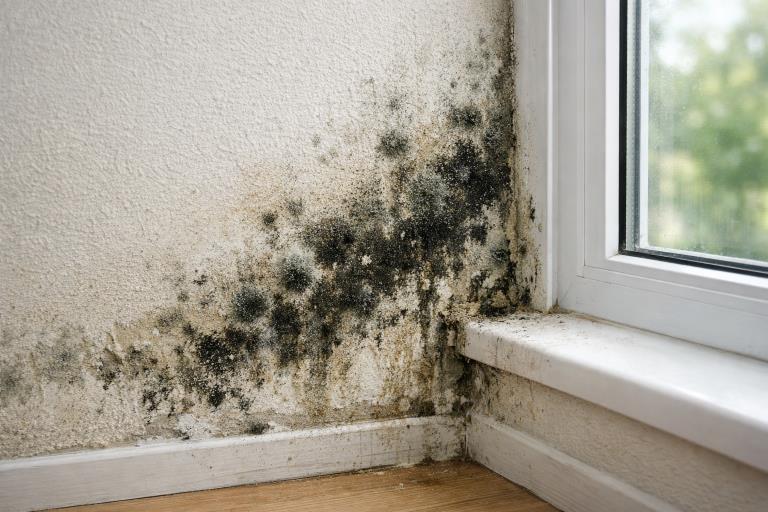
- Visible Growth:Watch for discoloration or fuzzy patches that are black, green, or white. These may appear on walls, ceilings, grout, or even HVAC vents.
- Health Symptoms:Unexpected allergies or respiratory problems in your household may be mold-related, especially if symptoms improve outside the home. For further guidance, visit the EPA’s information on mold and health.
When to Seek Professional Help
Professional mold remediation is necessary when mold covers a large area (more than 10 square feet) or is hidden in hard-to-reach places, such as within walls or ceilings. Experts have the equipment and knowledge needed to safely remove extensive infestations and address the underlying moisture problems, preventing mold from returning. Guidelines on how to handle and clean up large areas of mold contamination are available at FEMA’s official website.
Conclusion
Preventing mold growth in your home is an ongoing process. Successful mold prevention depends on moisture control, prompt attention to leaks or water damage, and diligent home maintenance. Recognizing mold signs and knowing when to act helps safeguard your family’s health and your home’s value. Developing these habits ensures your living environment stays clean, dry, and healthy.