Now Reading: Neighborhood Amenities That Increase Property Value
-
01
Neighborhood Amenities That Increase Property Value

Key Takeaways
- Neighborhoods with high-quality schools and low crime rates are especially valuable to buyers and investors.
- Parks and recreational areas contribute to a greater sense of community, attracting a broad range of residents.
- Walkable access to local services and amenities significantly enhances livability and economic resilience in housing markets.
When buying a new home, it is vital to look beyond the walls and consider what the neighborhood has to offer. The right amenities can elevate not only the quality of daily living but also the long-term value of your investment. Buyers in markets like new homes Riverview FL, increasingly seek neighborhoods with features that foster convenience, lifestyle, and community well-being.
From top-rated schools to vibrant green spaces, certain community attributes consistently attract buyers and drive up home prices. The collective presence of these amenities shapes the overall desirability and resale potential for properties, making them integral considerations in your decision-making process.
Understanding the broader context of your investment is more important than ever. An attractive home in a lacking neighborhood may lose value over time, while homes in amenity-rich locations tend to hold their worth and appeal to a wider buyer pool.
Quality Schools and Low Crime Rates
Access to highly rated schools and secure, low-crime neighborhoods remains a top priority for families and long-term investors alike. Schools influence buyer decisions, boost demand, and have a lasting effect on property appreciation. Homes in top school districts often command a significant premium over those in less competitive areas.
Likewise, areas with lower crime rates offer peace of mind, foster a sense of trust, and support sustained property values. Safety considerations are universally important, making crime statistics a central factor in appraisal and resale scenarios.
Parks and Green Spaces
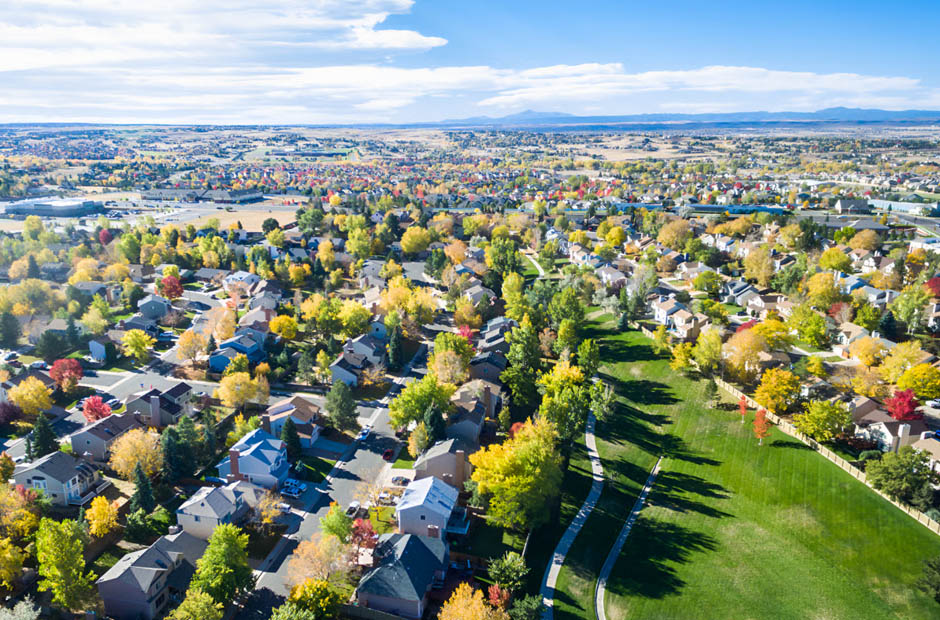
Parks, green spaces, and well-maintained trails provide essential recreational opportunities and aesthetic value. These amenities not only appeal to young families and active adults but also elevate the overall ambiance of the community. The presence of accessible natural elements has been linked to improved mental health and well-being.
Neighborhoods boasting features such as community parks, lakes, or connected walkways consistently see higher buyer interest. Even in urbanized settings, planned green spaces can serve as social hubs and positively influence property values.
Walkability and Access to Daily Needs
Walkability has rapidly grown into one of the most desired neighborhood characteristics. Proximity to shops, cafes, fitness centers, and practical services means that residents can complete daily errands and enjoy leisure activities without relying on frequent car travel. This level of convenience often leads to higher home demand and reduced turnover, particularly among younger buyers and empty-nesters.
Neighborhoods designed with the resident in mind, where sidewalks and pathways connect essential destinations, consistently outperform car-reliant communities in terms of livability and appreciation.
Resort-Style Amenity Centers
Modern developments increasingly include resort-style amenity centers that deliver tangible lifestyle upgrades. These spaces may feature swimming pools, fitness centers, clubhouses, and event rooms, providing residents with valuable on-site activities. Access to such facilities not only sets a community apart but also encourages social interaction and builds lasting connections among neighbors. Homes within these communities tend to command a price advantage in competitive real estate markets.
Waterfront Access and Private Maritime Facilities
In coastal and lakefront regions, direct access to water can be a substantial driver of property value. Homes with private docks, access to deep-water canals, or exclusive boat ramps appeal to buyers who value both leisure and prestige. These properties are uniquely positioned in the market and can appreciate significantly faster than comparable, landlocked homes. Private maritime amenities represent a rare blend of convenience and luxury, which translates into higher perceived and real value.
Proximity to Cultural and Entertainment Venues
Living close to arts districts, theaters, concert venues, and popular restaurants significantly enhances lifestyle quality. Neighborhoods that offer easy access to cultural experiences are not just more enjoyable but are also more resilient to economic downturns, as they retain desirability even in fluctuating markets. Being near these venues means residents benefit from diverse entertainment options year-round, while property owners enjoy the premium that comes with such accessibility.
Access to Healthcare and Wellness Services
Another essential component that buyers should weigh during the homebuying process is proximity to quality healthcare providers and wellness amenities. Being close to hospitals, urgent care clinics, and medical centers is especially valuable for families, seniors, and individuals with health considerations. Easy accessibility to these services not only ensures peace of mind but also enhances the long-term suitability of a neighborhood for a wide range of residents.
Additionally, neighborhoods that house alternative wellness facilities such as yoga studios, spa centers, and nutrition-focused cafes appeal to health-conscious buyers. A community that supports both urgent medical needs and everyday wellness helps foster a balanced and attractive living environment, drawing more interest from prospective homebuyers.
Community Events and Social Connectivity
Active neighborhood associations and regularly scheduled community events can signal a vibrant and close-knit community. Organized events such as seasonal festivals, farmers’ markets, outdoor concerts, or neighborhood yard sales encourage residents to engage with one another and cultivate a shared sense of pride. These initiatives build a sense of belonging and personal investment in the area, creating a supportive network that enriches the overall living experience. Connection with neighbors not only improves day-to-day happiness but also translates into lower turnover rates and increased stability within the neighborhood.
Transportation and Commuting Options
Ease of commuting is an often-overlooked but crucial amenity that can greatly affect daily routines and home value. Neighborhoods located conveniently near major highways, public transit lines, or commuter rail stations offer significant advantages to working professionals and families. Shorter, simpler commutes translate to more free time, lower transportation costs, and reduced stress, making such neighborhoods highly attractive to current and future residents. Furthermore, communities with strong access to public transport generally exhibit higher resilience in property values, particularly as remote work and flexible commuting become more commonplace.
Conclusion
Evaluating neighborhood amenities is an essential part of the homebuying process. Choosing communities with excellent schools, abundant green spaces, walkability, and convenient access to cultural attractions can lead to greater satisfaction and a healthier financial investment. Moreover, additional amenities like healthcare access, wellness resources, event programming, and robust transportation infrastructure can further improve a neighborhood’s desirability and your long-term happiness as a resident. Prioritizing these elements when considering where to purchase can help ensure a thriving lifestyle and robust property value for years to come.