Now Reading: How Missing Teeth Can Affect Everyday Life and Your Overall Well-Being
-
01
How Missing Teeth Can Affect Everyday Life and Your Overall Well-Being

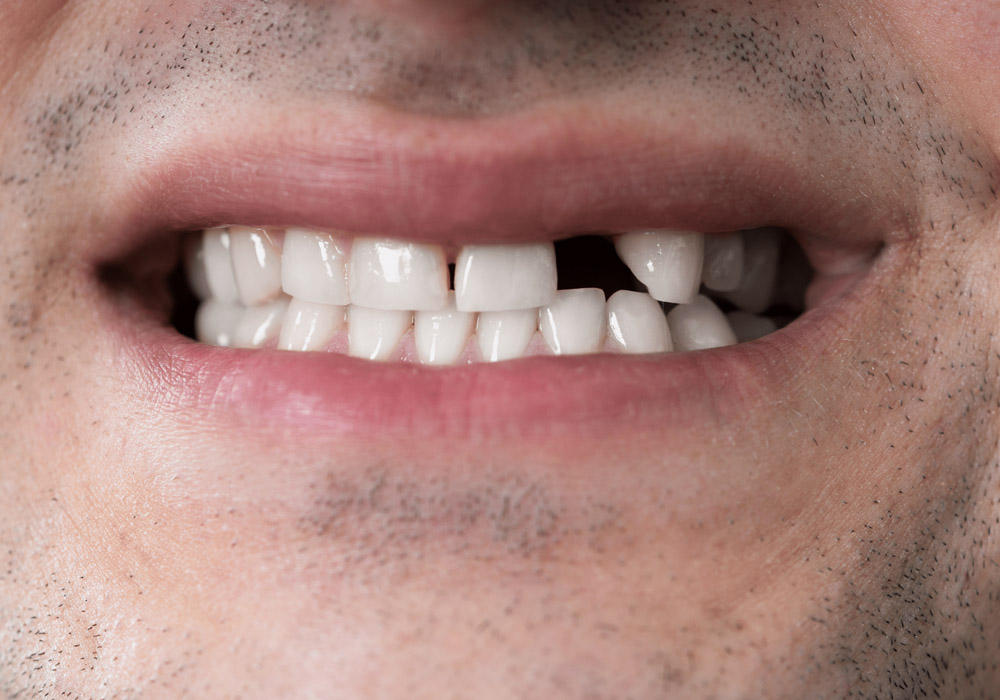
Missing teeth can affect far more than your smile. Everyday activities such as eating, speaking, laughing, and socializing may become more difficult or uncomfortable after tooth loss. Over time, missing teeth can also contribute to changes in your bite, jawbone, and remaining teeth. Understanding these effects can help you recognize the importance of replacing missing teeth and protecting your long-term oral health.
Eating Can Become More Difficult
One of the most immediate effects of missing teeth is difficulty eating certain foods. Teeth work together to bite, tear, and grind food into smaller pieces before it is swallowed. When one or more teeth are missing, that process can become less efficient, making meals more challenging.
Changes in Your Diet
People with missing teeth may avoid foods that require more chewing, such as crunchy vegetables, firm fruits, nuts, or certain meats. Instead, they may choose softer foods that are easier to manage. While this can make eating more comfortable, consistently limiting food choices may make it harder to maintain a varied, balanced diet.
Missing teeth can also affect where you chew. You may naturally favor one side of your mouth to avoid an uncomfortable or open area. This can place additional pressure on the remaining teeth and may contribute to uneven wear over time.
Meals May Become Less Enjoyable
Eating is not simply about nutrition. Meals are often an important part of family gatherings, celebrations, dates, and social events. If chewing is uncomfortable or you feel self-conscious about your teeth, you may spend more time thinking about your mouth than enjoying the meal.
Replacing missing teeth can help restore more natural chewing function and make it easier to approach meals with confidence.
Missing Teeth Can Affect Speech
Your teeth play an important role in producing certain sounds clearly. The tongue, lips, teeth, and palate work together to shape words. When teeth are missing, especially several front teeth, the way air moves through the mouth can change and affect pronunciation.
You may notice that certain words feel different to pronounce or that your speech sounds less clear than it did before. Some people also become more conscious of the way they talk because they worry others will notice changes in their speech.
This can be particularly frustrating in situations that require frequent communication, such as meetings, presentations, customer interactions, or conversations with friends and family. Although people often adapt to changes in their mouths over time, replacing missing teeth may help support clearer and more natural speech.
Your Confidence and Social Life May Change
A smile is one of the first things people notice during an interaction. Because of this, missing teeth can have an emotional and social impact in addition to their physical effects.
Some people become reluctant to smile, laugh openly, or appear in photographs. Others may cover their mouth while speaking or smiling. Even when nobody else is focused on the missing tooth, the person experiencing tooth loss may feel highly aware of it.
The Emotional Effects of Tooth Loss
Feeling embarrassed or self-conscious can influence how comfortable you are in social situations. You might avoid meeting new people, attending gatherings, or speaking up in conversations. For some individuals, these changes can gradually affect relationships, work interactions, and overall quality of life.
The emotional response to missing teeth is different for everyone, and there is no reason to feel ashamed about tooth loss. Dental problems can happen for many reasons, including injury, decay, gum disease, and natural changes associated with aging.
Taking steps to restore your smile can be about more than appearance. It can also be an opportunity to regain confidence in everyday interactions.
Missing Teeth Can Change Your Oral Health
A missing tooth does not necessarily mean the rest of your mouth stays unchanged. Your teeth are designed to work together, so losing one can affect the surrounding structures.
When a tooth is missing, nearby teeth may gradually shift toward the open space. This movement can change the way your upper and lower teeth come together when you bite. It may also make certain areas more difficult to clean, potentially increasing the risk of plaque buildup and other dental problems.
The jawbone can also be affected by tooth loss. Natural tooth roots stimulate the surrounding bone when you chew. Once a tooth is removed and no longer provides that stimulation, the bone in that area can gradually shrink. This process, known as bone resorption, can contribute to changes in the shape of the jaw and facial structure.
The Remaining Teeth May Carry More Pressure
When several teeth are missing, the remaining teeth may take on more of the work involved in biting and chewing. Over time, this additional workload can contribute to increased wear or discomfort.
A missing tooth can therefore have effects that extend beyond the original gap. Addressing tooth loss sooner may help protect the function and stability of your remaining teeth.
Tooth Loss Can Affect Your Daily Routine
Missing teeth may introduce small challenges that add up throughout the day. You may take longer to eat, think more carefully about what foods to order, or feel hesitant to smile during conversations. These changes may seem minor individually, but they can become frustrating when they occur repeatedly.
For people with multiple missing teeth, the impact can be more noticeable. Eating may require additional effort, speech may feel different, and concerns about appearance may influence social activities. Restoring several missing teeth can help address both functional and cosmetic concerns.
Replacing Multiple Missing Teeth
The right tooth-replacement option depends on factors such as the number of missing teeth, the condition of your gums and jawbone, your overall oral health, and your personal goals. A dental professional can evaluate your mouth and discuss which options may be appropriate.
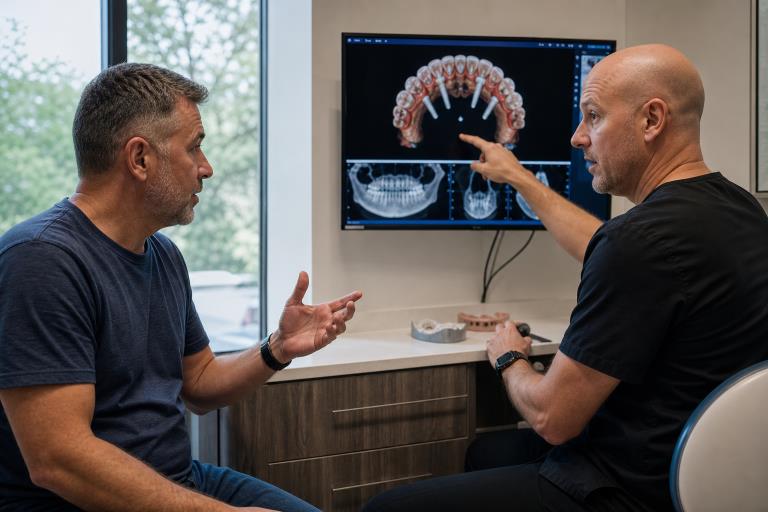
For individuals who have lost most or all of their teeth in an arch, full-arch dental implants in Kansas City, MO may be one option to discuss with a qualified dental professional. Full-arch implant treatment is designed to replace an entire upper or lower arch and can provide a stable foundation for a replacement set of teeth.
Not every patient is automatically a candidate for the same treatment. A comprehensive evaluation is important for determining whether implant-supported tooth replacement is appropriate and what preparation, if any, may be necessary.
Replacing Missing Teeth Can Support a Healthier Future
Tooth replacement is often about restoring function as well as improving the appearance of your smile. Depending on your individual situation, replacing missing teeth may help you chew more comfortably, speak with greater confidence, and maintain a more balanced bite.
It is also important to remember that replacing a missing tooth is only one part of maintaining oral health. Regular dental visits, daily brushing and flossing, a balanced diet, and appropriate treatment for gum disease or tooth decay remain important.
If you have been living with missing teeth, discussing your concerns with a dental professional can help you understand your options. An evaluation can identify how tooth loss is affecting your bite, remaining teeth, gums, and jawbone and can provide a starting point for developing a personalized treatment plan.
Conclusion
Missing teeth can influence much more than appearance. They may make eating and speaking harder, affect confidence, change your bite, and place additional demands on your remaining teeth. Recognizing these effects is an important first step toward protecting your oral health. If tooth loss is affecting your daily life, talk with a dental professional about replacement options suited to your needs and goals.