Now Reading: The Feature That Quietly Runs the Whole Kitchen
-
01
The Feature That Quietly Runs the Whole Kitchen

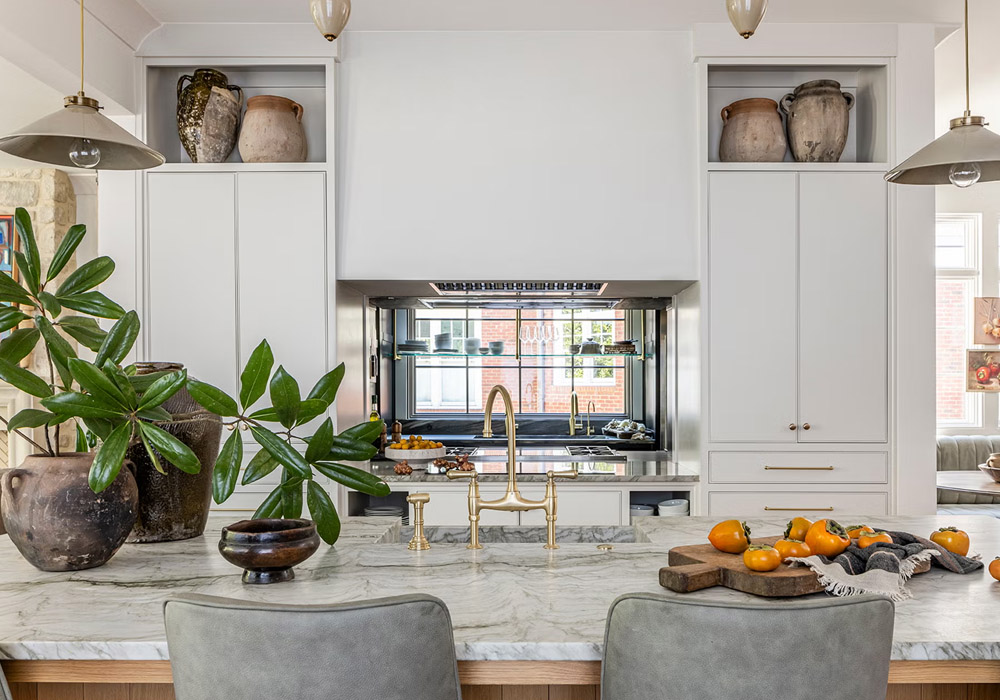
Countertops and appliances tend to get most of the attention in a kitchen remodel, but cabinets do more heavy lifting than either. They determine how much can actually be stored, how the room flows, and how the whole space feels the moment someone walks in.
Why Cabinet Choice Carries So Much Weight
Cabinets aren’t just a design element — they’re functional infrastructure that gets used dozens of times a day. Poorly planned storage leads to cluttered counters and awkward workarounds, while well-designed cabinetry keeps everyday items within easy reach and out of the way at the same time. On the aesthetic side, cabinets typically cover more visual surface area than any other single feature in a kitchen, which means their style, color, and finish set the tone for the entire room far more than a backsplash or light fixture ever could.
Comparing the Major Style Categories
Most kitchen cabinets fall into a few broad style categories, each with a distinct look and feel.
Shaker Style
Shaker cabinets are defined by a simple, recessed-panel door with clean lines and minimal ornamentation. Their understated look has made them a long-standing favorite because they work well in both traditional and modern kitchens without feeling dated or overly trendy. The flat-panel construction also tends to be relatively easy to keep clean, since there are fewer grooves or decorative details to trap dust and grease.
Traditional Style
Traditional cabinets typically feature raised panels, decorative molding, and more ornate detailing than shaker or European designs. This style tends to suit homes with classic architectural features — crown molding, arched doorways, detailed trim — where the cabinetry complements the rest of the home’s character rather than standing in contrast to it.
European Style
European-style cabinets are known for their sleek, minimalist look — typically flat-front doors, hidden hinges, and handle-less or streamlined hardware. This style has grown in popularity alongside the broader trend toward modern, uncluttered kitchen design, and it pairs well with high-gloss or matte finishes that reinforce the clean aesthetic.
Finishes Matter as Much as Style
Beyond the door style itself, finish plays a major role in both appearance and durability. High-gloss finishes create a sleek, reflective look that can make a smaller kitchen feel more open, though they tend to show fingerprints and smudges more readily than matte options. Textured wood finishes bring warmth and natural variation to a space, often working well in kitchens aiming for a more traditional or organic feel. Linen or matte fabric-style finishes split the difference, offering a soft, low-sheen look that hides everyday marks better than high gloss.
Durability Considerations Homeowners Often Overlook
Kitchens are demanding environments — heat from cooking, moisture from sinks and dishwashers, and constant daily use all take a toll on cabinetry over time. Cabinets built with water-, fire-, scratch-, and heat-resistant materials hold up significantly better under these conditions than lower-grade options that may look similar on a showroom floor but degrade faster in real kitchen use. This is particularly relevant for homeowners considering kitchen cabinets, like in Salt Lake City, where seasonal humidity shifts can affect how certain materials expand, contract, or wear over time.
Sizing and Layout Considerations
Standard cabinet sizes exist for a reason — they simplify installation and keep costs more predictable — but not every kitchen layout fits neatly into standard dimensions. Corner cabinets, narrow spaces near appliances, and ceiling height variations often call for custom or semi-custom sizing to avoid wasted space or awkward gaps. A design consultation is typically the best way to figure out where standard sizing works fine and where a custom solution would make better use of the available footprint.
How Cabinets Affect Home Value
Real estate professionals consistently point to kitchens as one of the most influential rooms when it comes to a home’s perceived value, and cabinetry plays a major role in that impression. Outdated, worn, or mismatched cabinets can make an otherwise updated kitchen feel dated, while a cohesive, well-finished cabinet set can elevate the entire room’s appeal — often more cost-effectively than a full kitchen overhaul.
Getting Started With a Design Consultation
Choosing between styles, finishes, and layouts can feel overwhelming without a clear starting point. A design consultation typically walks through the practical questions first — storage needs, budget, and layout constraints — before narrowing down which style and finish combination fits both the function and look a homeowner has in mind. Bringing photos of kitchens or design elements that stand out, even if it’s just a general aesthetic direction, can help make that first conversation more productive.