Now Reading: Choosing a Marble Dining Table That Fits Your Space, Lifestyle, and Design Style in Sydney, NSW
-
01
Choosing a Marble Dining Table That Fits Your Space, Lifestyle, and Design Style in Sydney, NSW
Choosing a Marble Dining Table That Fits Your Space, Lifestyle, and Design Style in Sydney, NSW

Key Takeaways
- Start with room measurements, access points, and everyday walking paths.
- Choose a table shape that supports the proportions of your Sydney dining area.
- Match seating capacity to normal use, not only occasional celebrations.
- Consider marble color, veining, finish, base design, and care requirements together.
- Plan for delivery, floor protection, lighting, chairs, and cleaning before buying.
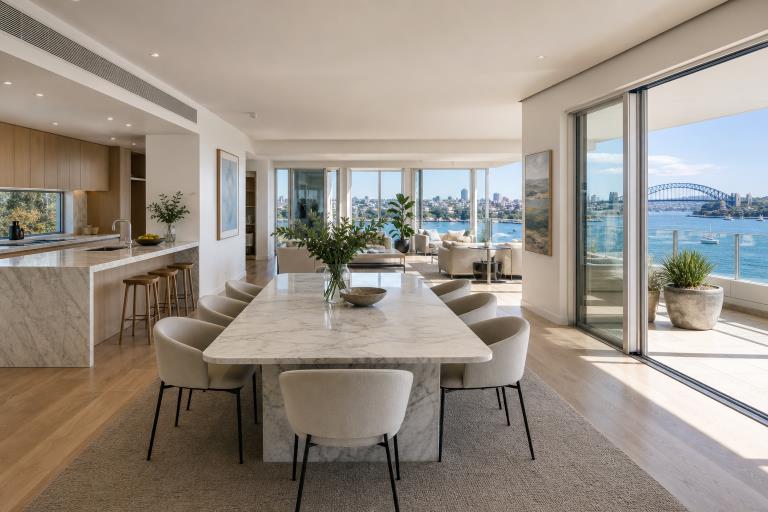
A marble dining table can give a Sydney home a calm, polished centerpiece, whether it sits in a compact apartment near the harbor, a terrace house dining room, or an open-plan family space in the suburbs. When browsing marble dining tables Sydney, look beyond the tabletop alone and consider how the full setting will work on an ordinary weekday.
Sydney homes typically need versatile furniture. A dining table, for instance, can be used for eating, homework, remote work, socializing, and weekend lunches. The best option should fit the room size, allow for comfortable movement, and match the level of care your household is willing to invest.
Start With the Room, Not the Table
Before falling for a particular stone pattern, assess how the dining area is actually used. Note walls, doors, windows, built-in cabinetry, balcony access, and routes to the kitchen. In many open-plan Sydney homes, the dining zone also needs to preserve a clear path between the living area and outdoor entertaining space.
Look at the finishes already in the room. Timber floors, pale walls, brushed metal fittings, dark joinery, and coastal light can all influence which marble tone feels balanced. A table should anchor the room without interrupting its flow or making it appear crowded.
Measure for Comfort and Movement
Accurate measurements prevent the most frustrating buying mistake, choosing a beautiful table that makes daily movement difficult. Measure the available length and width, then use painter’s tape or flattened cardboard to mark the proposed tabletop footprint on the floor.
- Measure the table length and width, not just the empty floor area.
- Allow for chair depth when chairs are pulled back.
- Check clearance near sideboards, doors, kitchen islands, and hallways.
- Measure lifts, stairwells, apartment corridors, and doorways for delivery.
As a practical starting point, aim for roughly 90 centimeters of open room around the table where possible. Busy routes and chairs positioned near cupboards may require more clearance. The tape test is useful because it reveals pinch points that are easy to miss on a floor plan.
Pick a Shape That Suits the Layout
Rectangular, Round, Oval, and Square Options
Rectangular tables generally suit longer rooms and larger households, while round tables can make a smaller dining zone feel easier to navigate because there are no corners projecting into walkways. Oval tables retain much of a rectangle’s seating capacity while softening a narrow room. Square tables can look striking in balanced rooms, especially for four people, but need enough surrounding space to avoid feeling bulky.
The visual impact of each shape also changes with the stone itself. Since marble is a crystalline rock with naturally variable veining and color, a broad rectangular top may showcase dramatic movement, while a round top can concentrate attention on a single central pattern.
Match the Table to Seating Needs
Choose a capacity based on the number of people who use the table most weeks. A large table can be useful for regular hosting, but it should not force everyday diners to squeeze around oversized chairs or restrict movement through the room.
- Consider normal household seating before occasional guest numbers.
- Allow extra width for armchairs, upholstered chairs, or benches.
- Leave room for place settings, shared dishes, and serving bowls.
- Think about whether the table will also support work, study, or hobbies.
Compare Marble Types, Finishes, and Colors
Natural marble varies from slab to slab, so review photographs, samples, or a clear description of the expected veining before deciding. Fine veining can feel quiet and refined, while bolder movement may become the room’s main decorative feature.
- Polished finishes reflect more light and create a formal appearance.
- Honed finishes have a softer, lower-sheen look.
- Textured finishes can add visual depth, but should be assessed for ease of cleaning.
Pale marble can help a darker room feel brighter, particularly where natural light is limited by neighboring buildings. Darker stone introduces contrast and visual weight, which can work beautifully with light walls or warm timber floors. Neither is automatically better. The best option is the one that complements the room’s existing balance.
Choose the Right Base and Leg Design
The base affects comfort as much as appearance. A central pedestal can make it easier to fit chairs around the edge, while four legs offer a familiar silhouette but may interfere with where guests sit. Check that chairs slide in easily and that the base feels proportionate to the top’s weight and size.
Stone-topped tables can be heavy, so confirm delivery arrangements, installation requirements, and whether your flooring needs protection during placement. This is particularly important for apartments with restricted access or homes with stairs.
Plan for Cleaning and Daily Care
Marble is best treated as a natural surface rather than a maintenance-free material. Wipe spills promptly, use coasters for drinks, and place trivets under hot serving dishes. Avoid harsh abrasives and acidic household products, including vinegar or lemon-based cleaners, unless the supplier confirms they are suitable for your specific finish.
- Remove crumbs with a soft, dry cloth.
- Wipe with a damp microfibre cloth.
- Use a mild cleaner intended for stone when needed.
- Dry the tabletop to reduce residue and water marks.
- Ask whether sealing is recommended and how to maintain it.
Build a Balanced Dining Setting
Pair the table with elements that soften its hard surface. Upholstered chairs, woven textures, curtains, and a well-sized rug can add warmth. Choose pendant lighting that spreads light across the tabletop, and keep centerpieces low enough for people to see one another during meals. Repeating a tone from the marble veining in artwork, cushions, or ceramics can create a cohesive look without making the room overly matched.
Avoid Common Buying Mistakes
- Buying before measuring the room and the delivery route.
- Choosing chairs that are too wide for the intended number of seats.
- Ignoring the clearance required behind pulled-out chairs.
- Selecting a bold stone pattern without considering nearby finishes.
- Assuming all marble surfaces have identical care needs.
- Overlooking the table’s weight, base stability, and flooring.
Use a Simple Buying Checklist
- Room, doors, lifts, and hallways measured.
- Table footprint marked on the floor.
- Walking paths and chair clearance checked.
- Every day, the seating capacity is confirmed.
- Shape selected for the room layout.
- Marble color, veining, and finish reviewed.
- Base tested for legroom and stability.
- Care routine and protective accessories planned.
Final Thoughts
The best marble dining table for a Sydney, NSW home is one that feels considered in every respect. It should suit the room’s proportions, support how your household gathers, and fit comfortably into your maintenance routine. When measurements, seating, stone character, delivery, and styling all receive equal attention, the result can serve everyday meals and special occasions with lasting appeal.